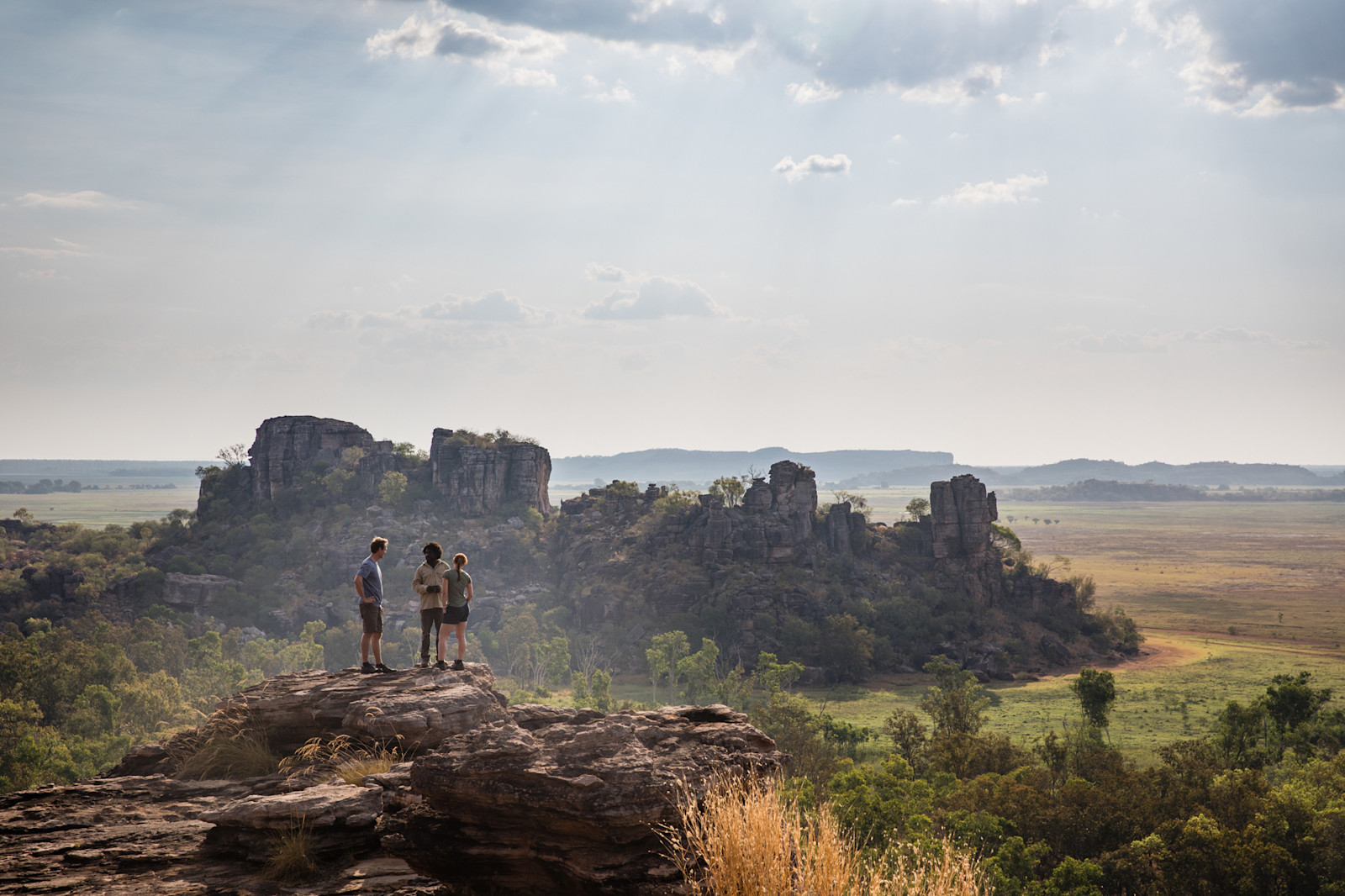
What is bush food, and why is it the ultimate sustainable cuisine?
For Indigenous peoples, bush food is a direct connection to Country, culture, ancestors and knowledge systems passed down for millennia
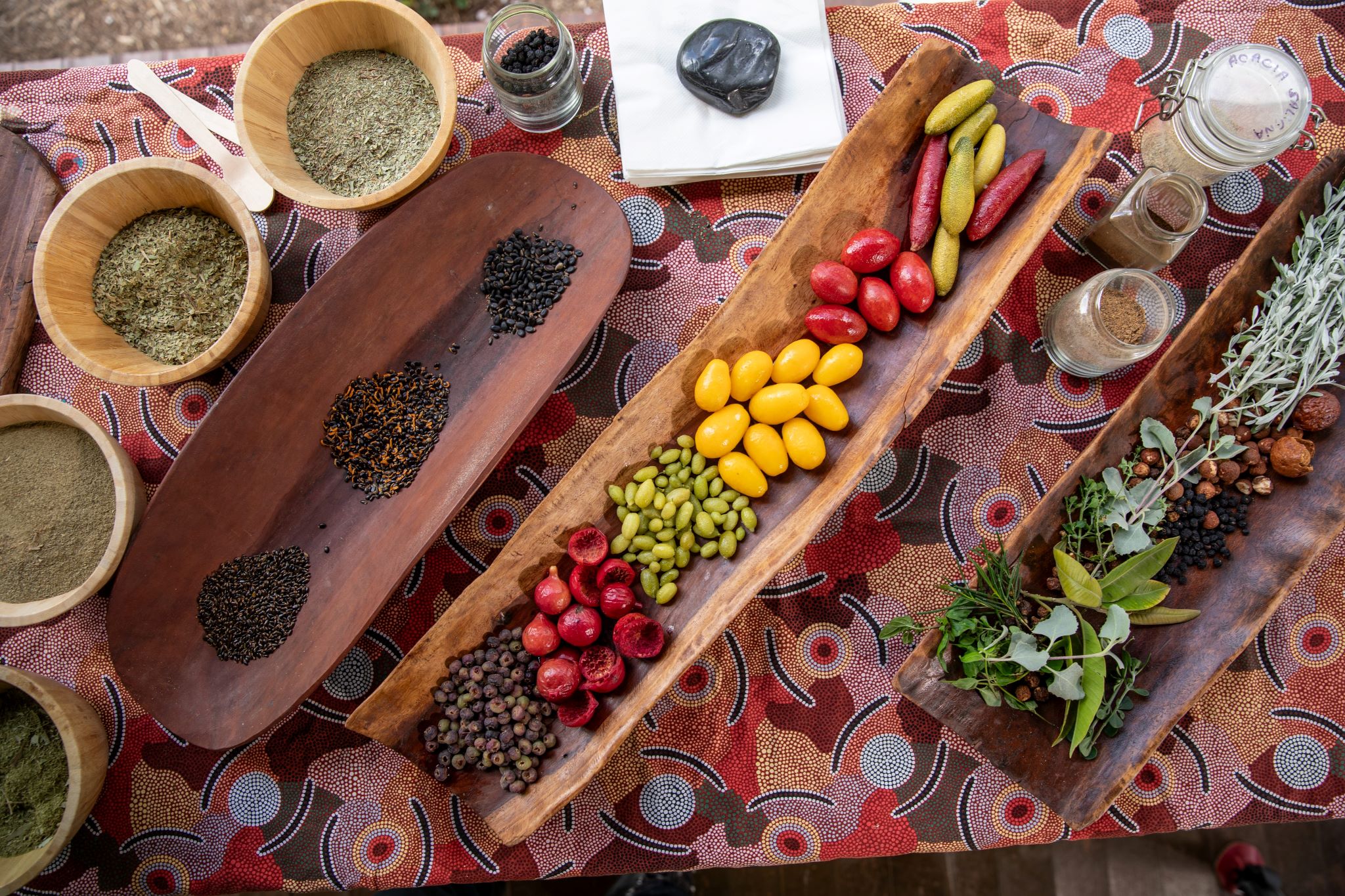
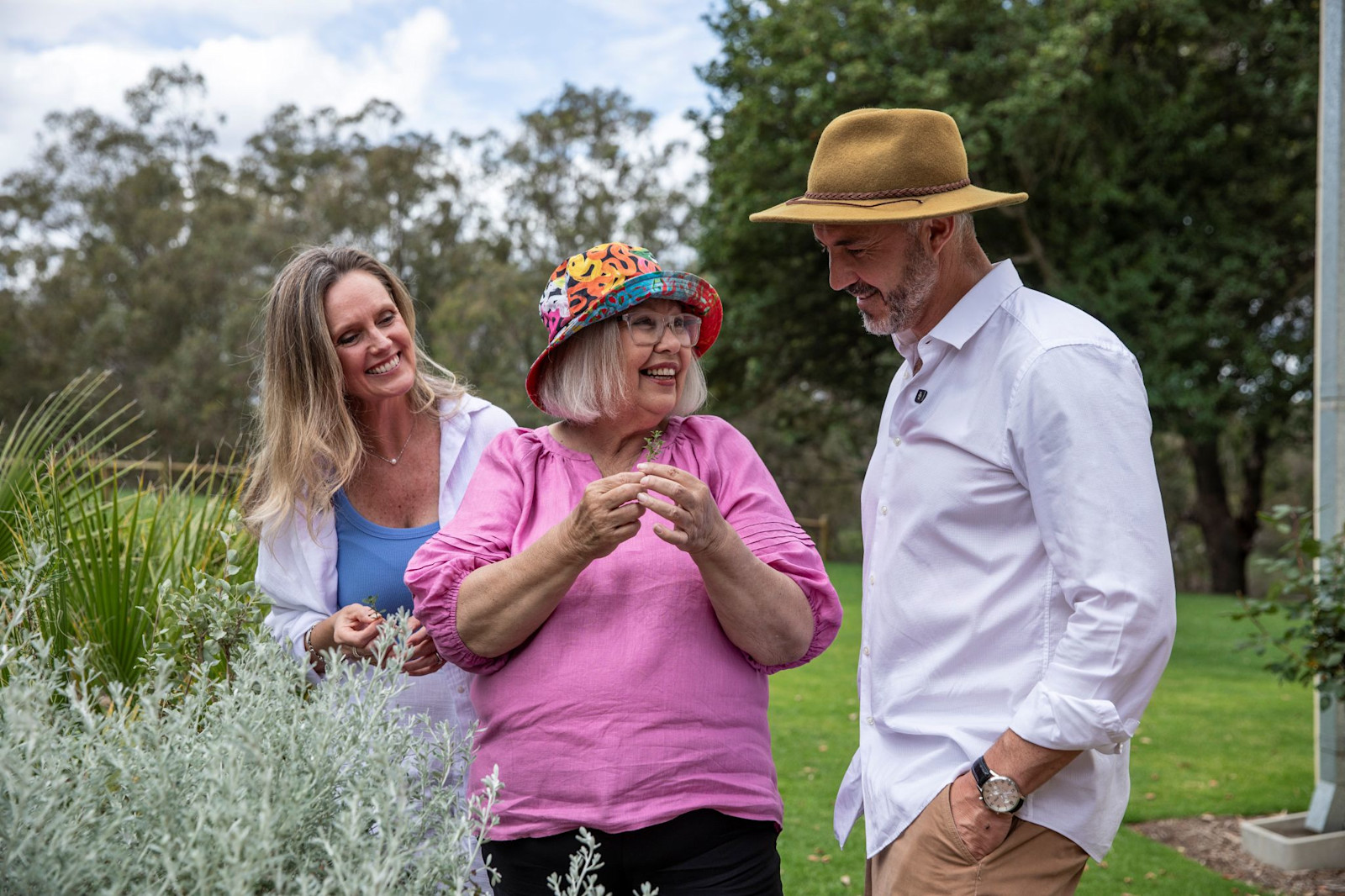
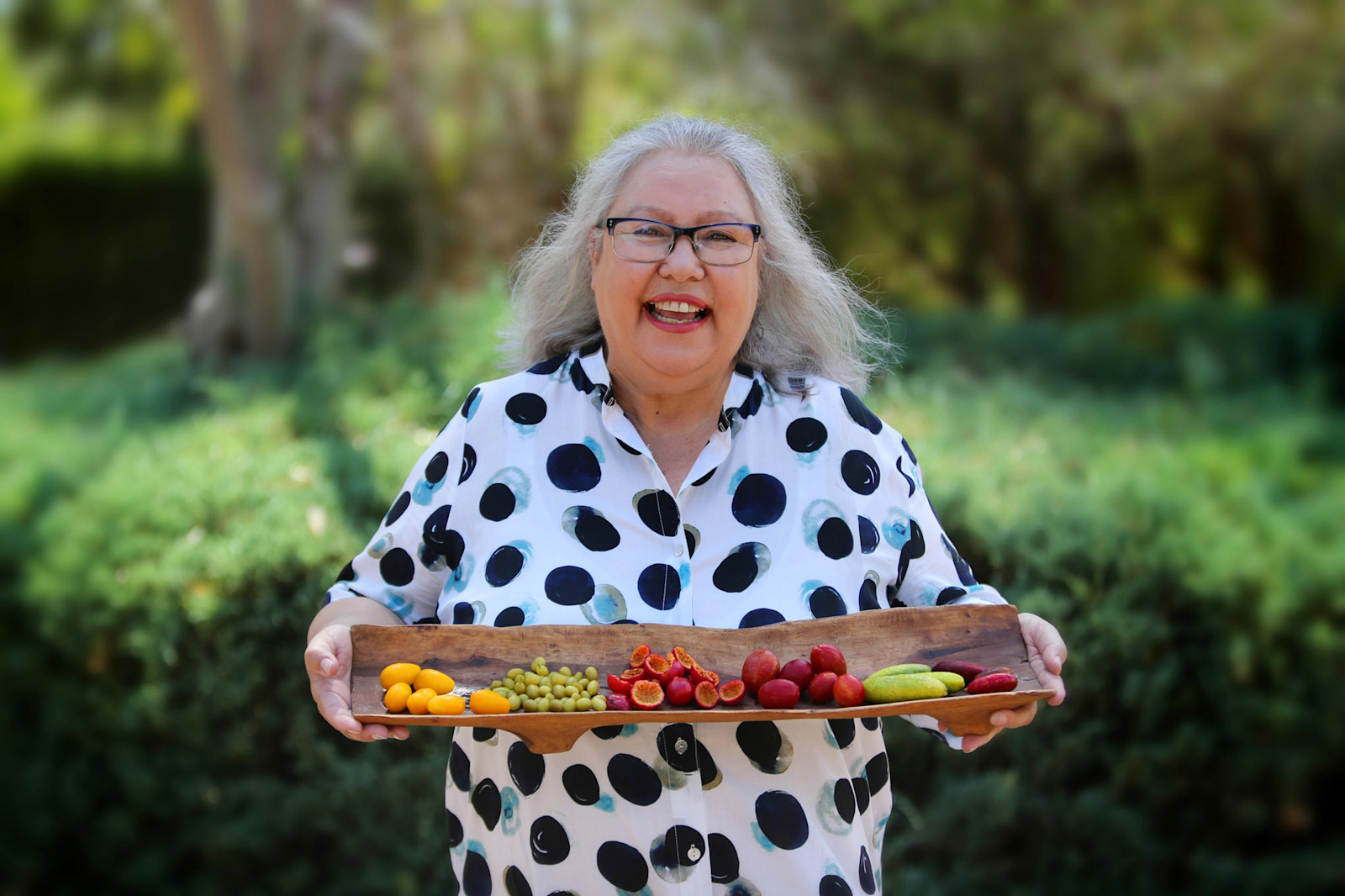
A bush food spread at Dale Tilbrook Experiences in Western Australia © Tourism Australia
What is bush food?
Bush food refers to the wide range of native Australian plants and animals traditionally harvested for food by Aboriginal and Torres Strait Islander peoples. These include ingredients like wattleseed, fingerlime, green ants, bunya nuts, saltbush and kangaroo, all of which have long been part of traditional diets.
Each region of Australia has its own unique seasonal offerings, and knowledge of how to find, prepare and use these foods has been handed down through generations as part of the world’s oldest living Cultures. These ingredients are not only nutritious and flavourful but deeply symbolic of cultural identity and Country.
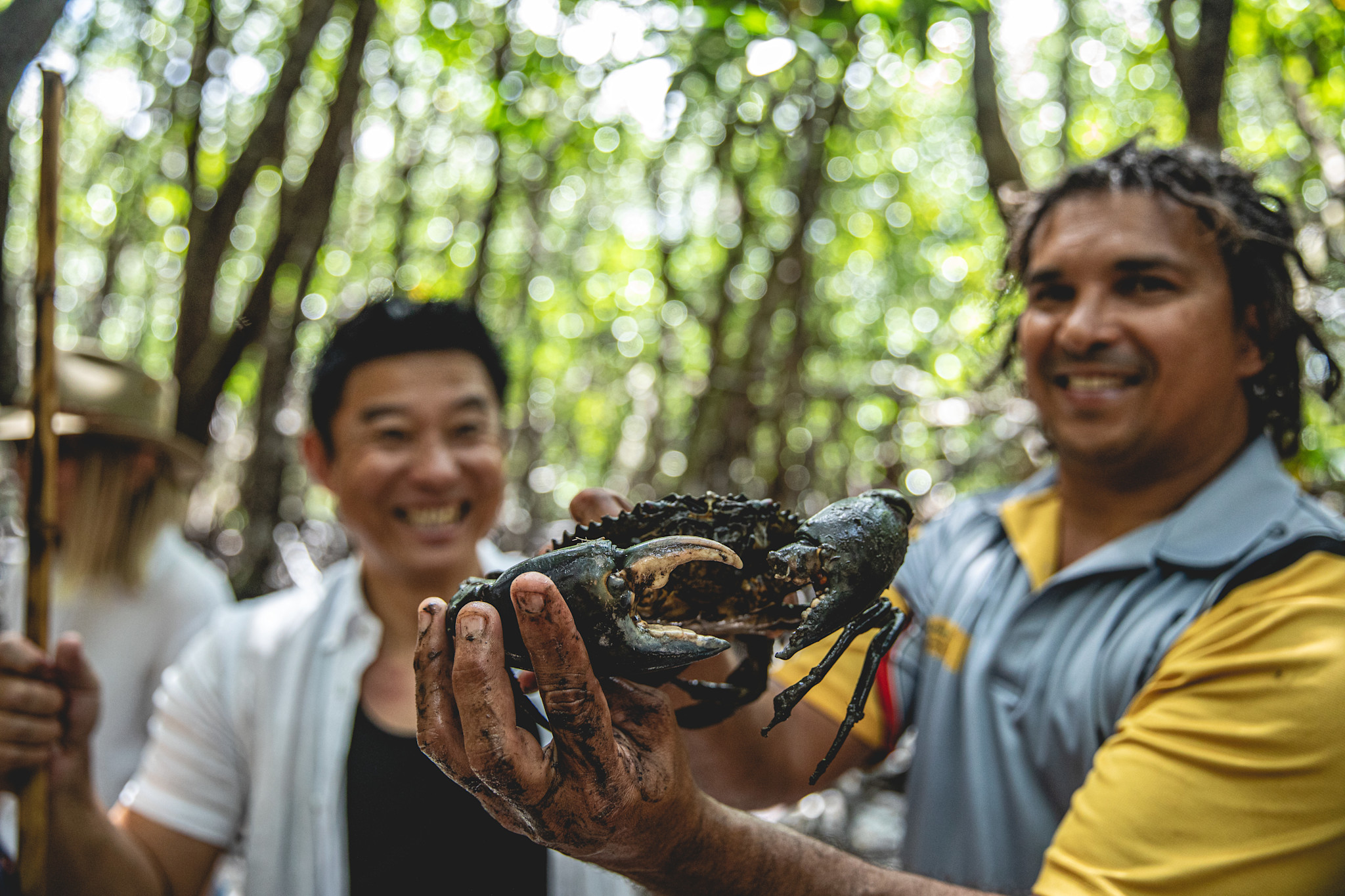
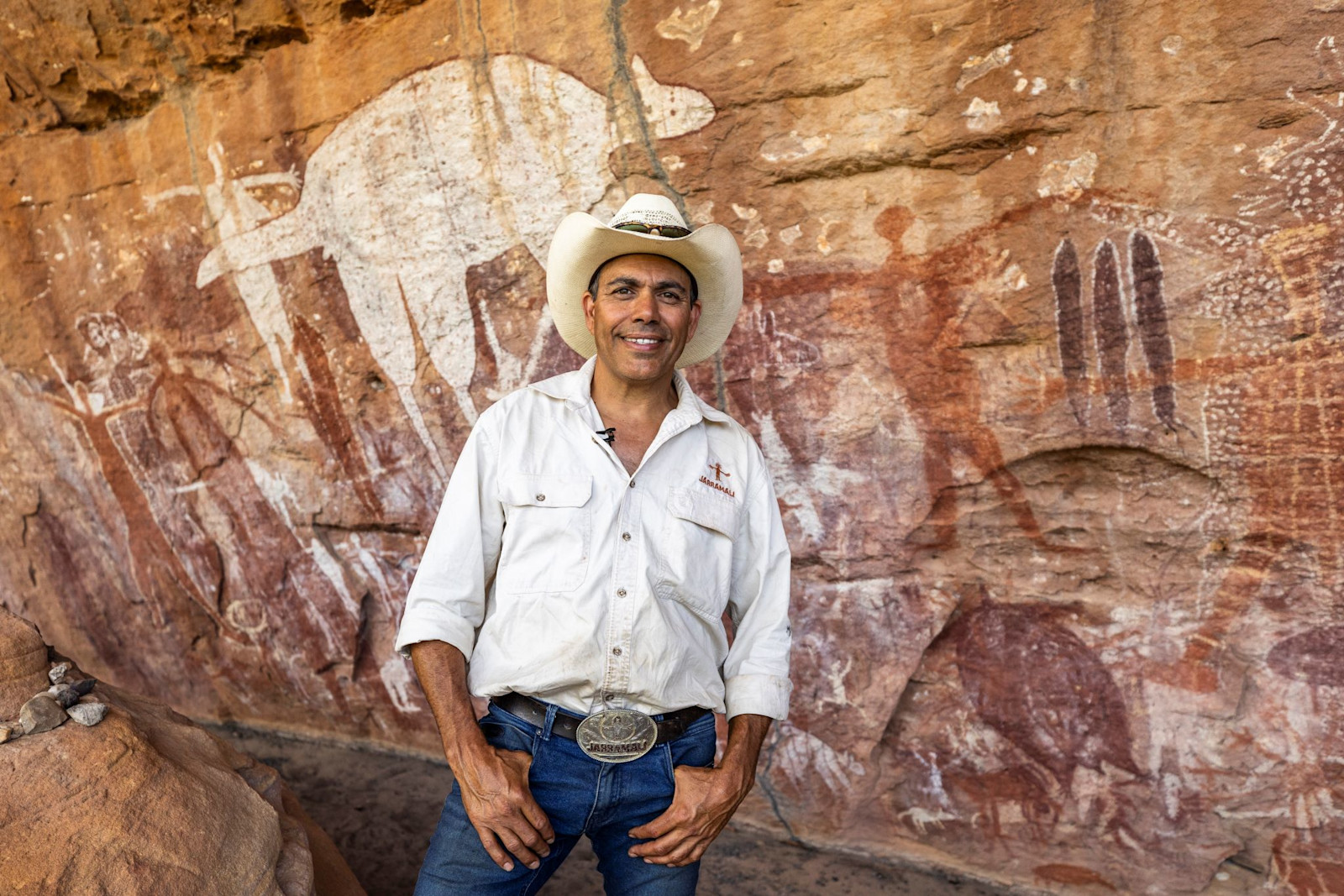
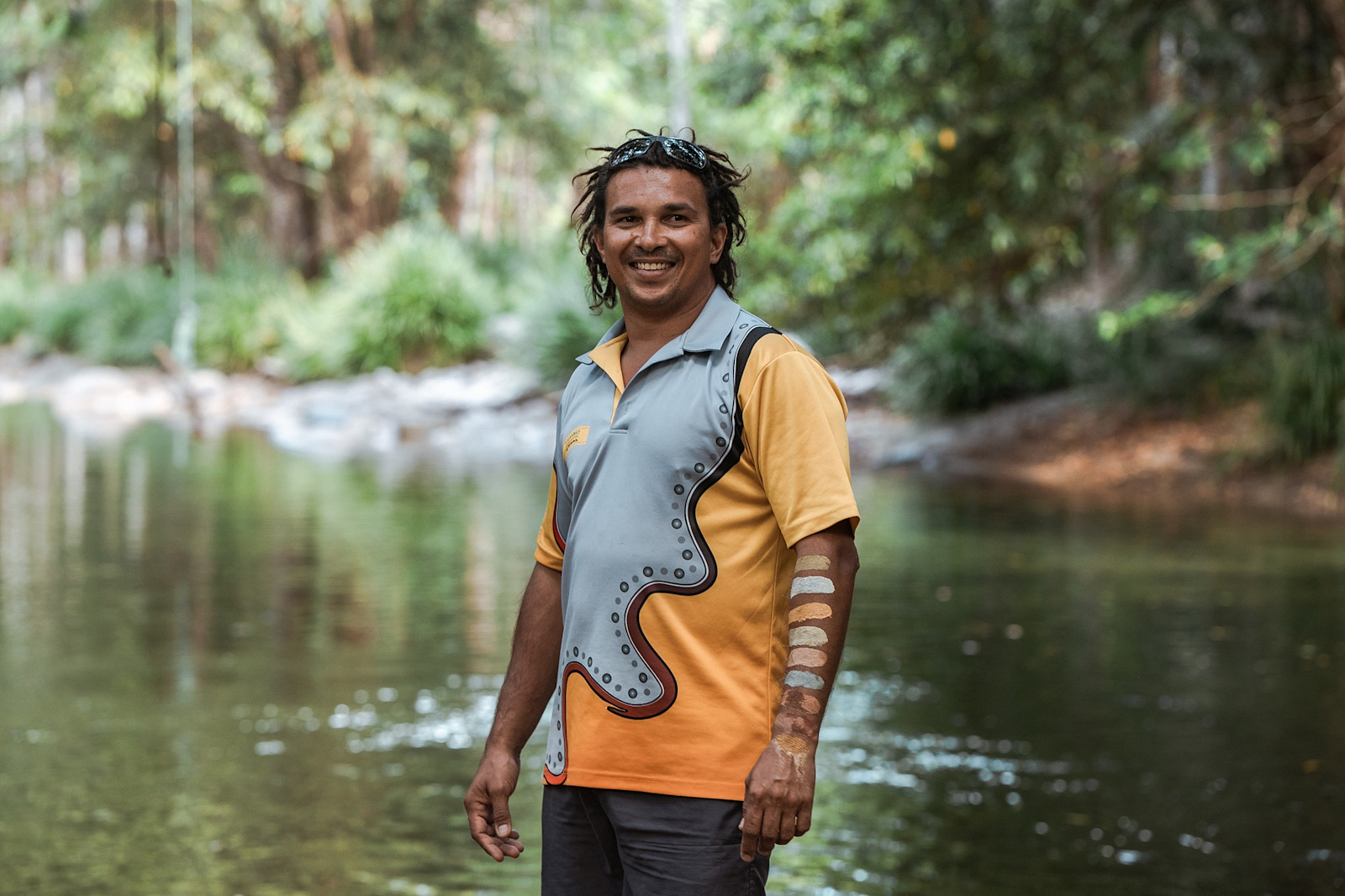
Walkabout Cultural Adventures guide Juan Walker hosting guests on a mud-crabbing adventure around the Daintree Rainforest in Queensland © Tourism Australia
Why is bush food considered sustainable?
Sustainability is built into the foundations of Aboriginal food systems. Bush foods are typically foraged, hunted or harvested in ways that respect seasonal cycles, maintain biodiversity and support long-term ecological balance.
Traditional fire management, selective harvesting and rotational gathering practices ensure that ecosystems remain healthy and productive. These methods exemplify how people have lived in harmony with land and water systems for more than 65,000 years. As interest in sustainable food practices grows globally, bush foods offer a powerful model of what responsible, land-connected cuisine can look like.
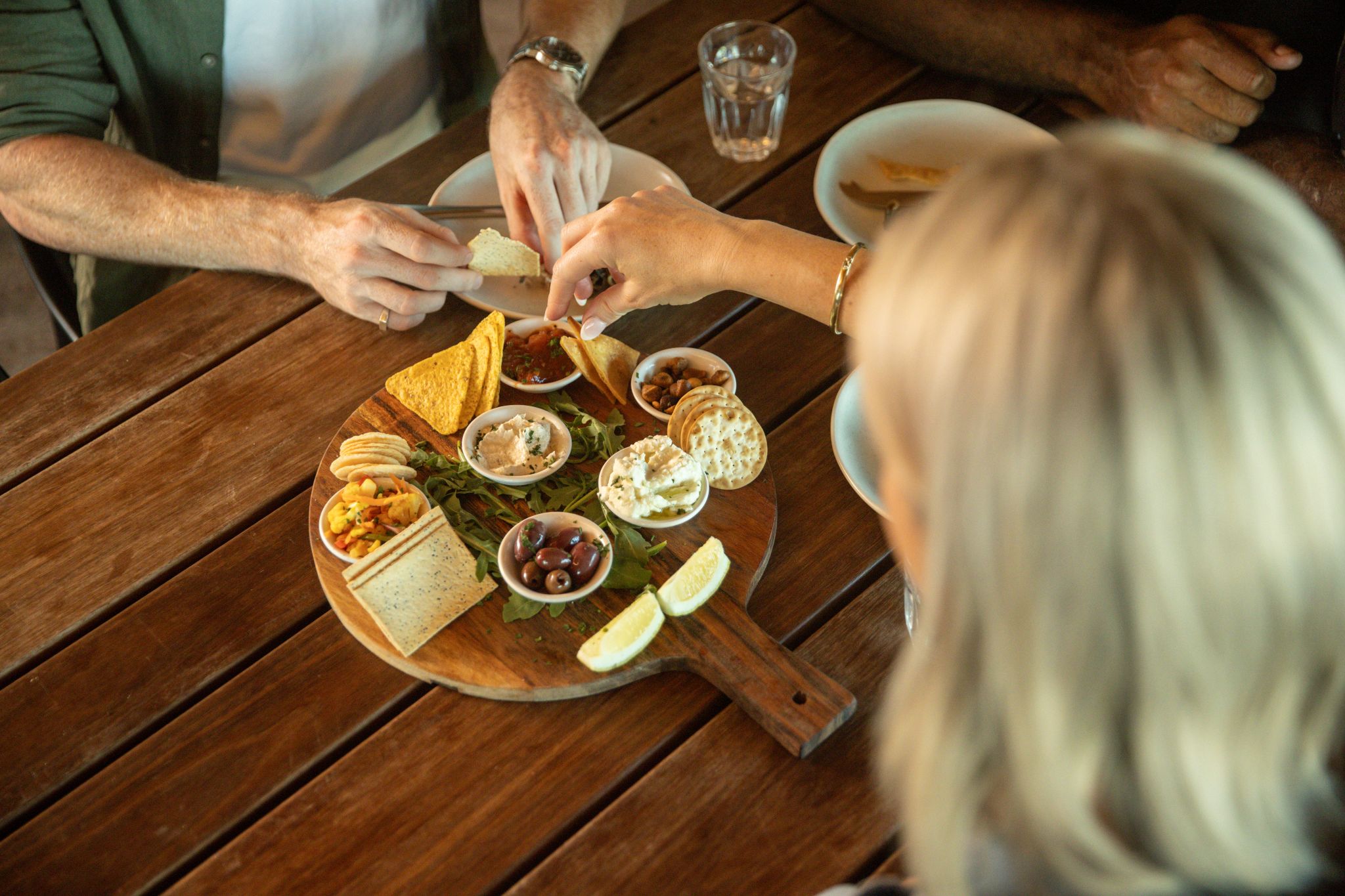
Enjoying an eel tasting platter at Budj Bim Cultural Landscape, Victoria © Tourism Australia
Where can I learn more about bush food?
Guided by Aboriginal knowledge holders, a number of exceptional tourism experiences across Australia offer the chance to learn about, taste and connect with bush foods on Country.
In Victoria’s UNESCO World Heritage-listed setting, Budj Bim Cultural Landscape takes guests through ancient stone eel traps and native gardens while sharing Gunditjmara food systems that have sustained communities for thousands of years. In Far North Queensland, Walkabout Cultural Adventures explores the mangroves, reefs and coastal bushland around Port Douglas with Kuku Yalanji guides who point out edible plants, healing medicines and seasonal shellfish. “Our people were the earliest conservationists,” says Juan Walker of Walkabout Cultural Adventures. “We listened to the seasons to know what to eat when, and what to preserve.”
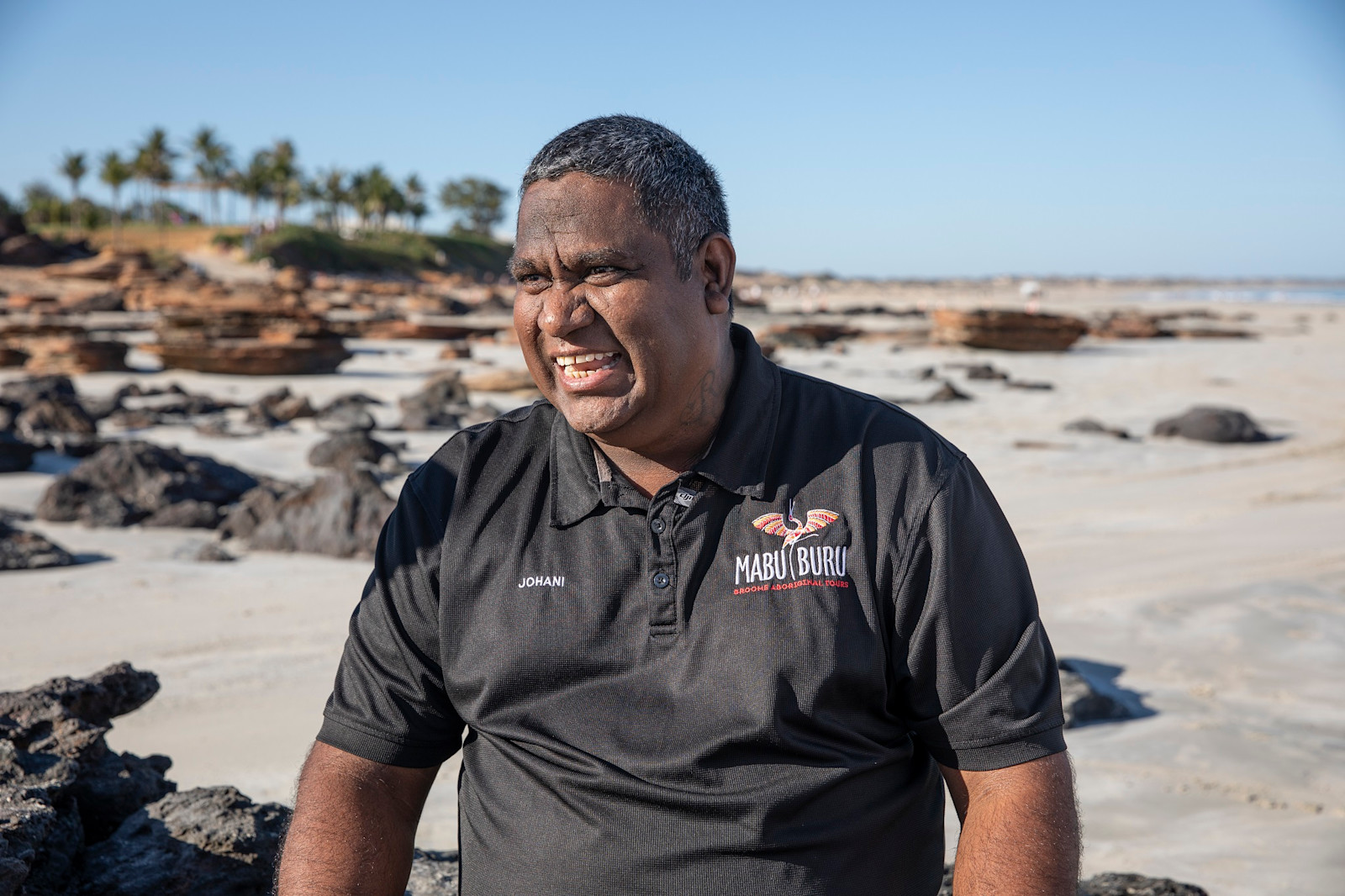
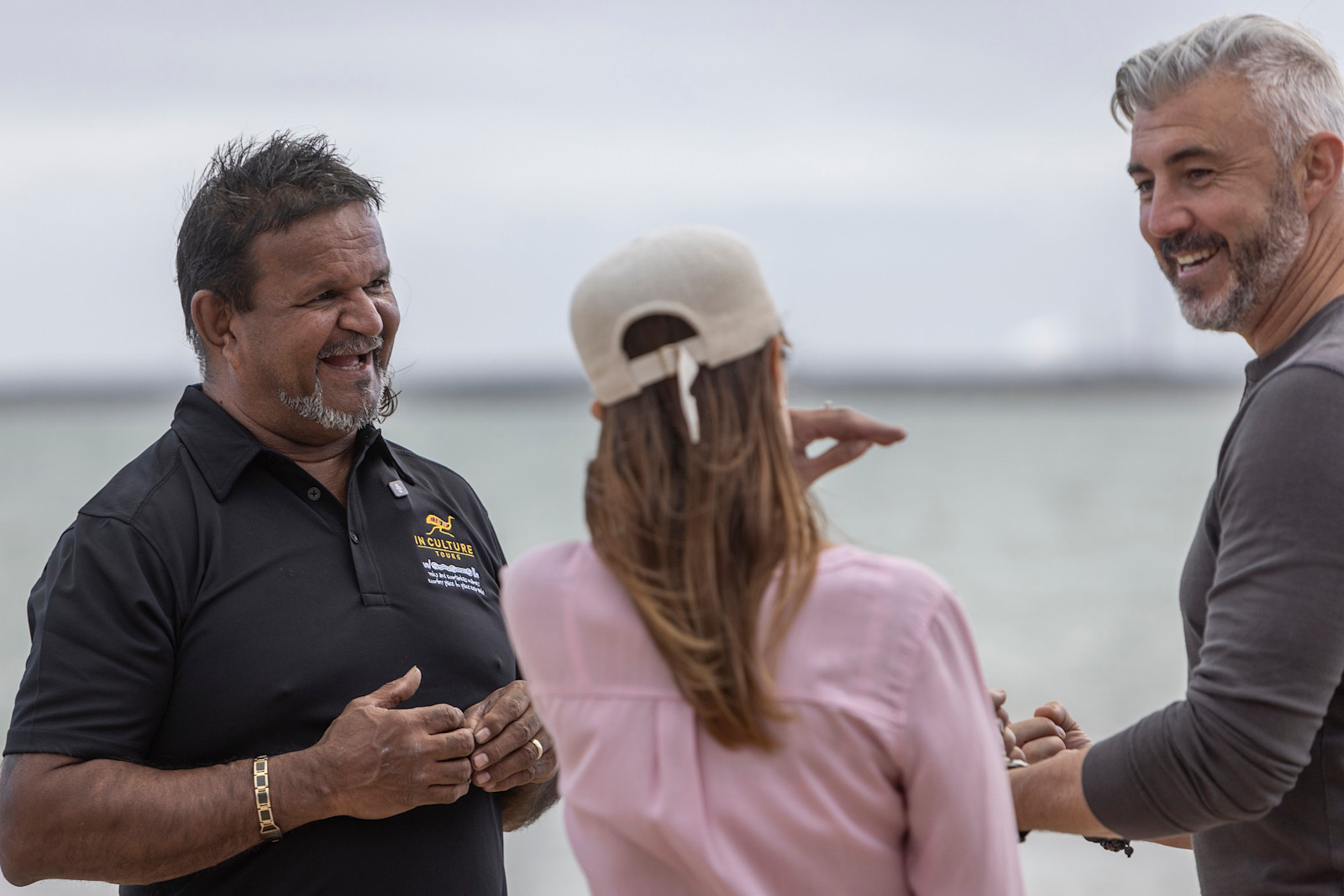
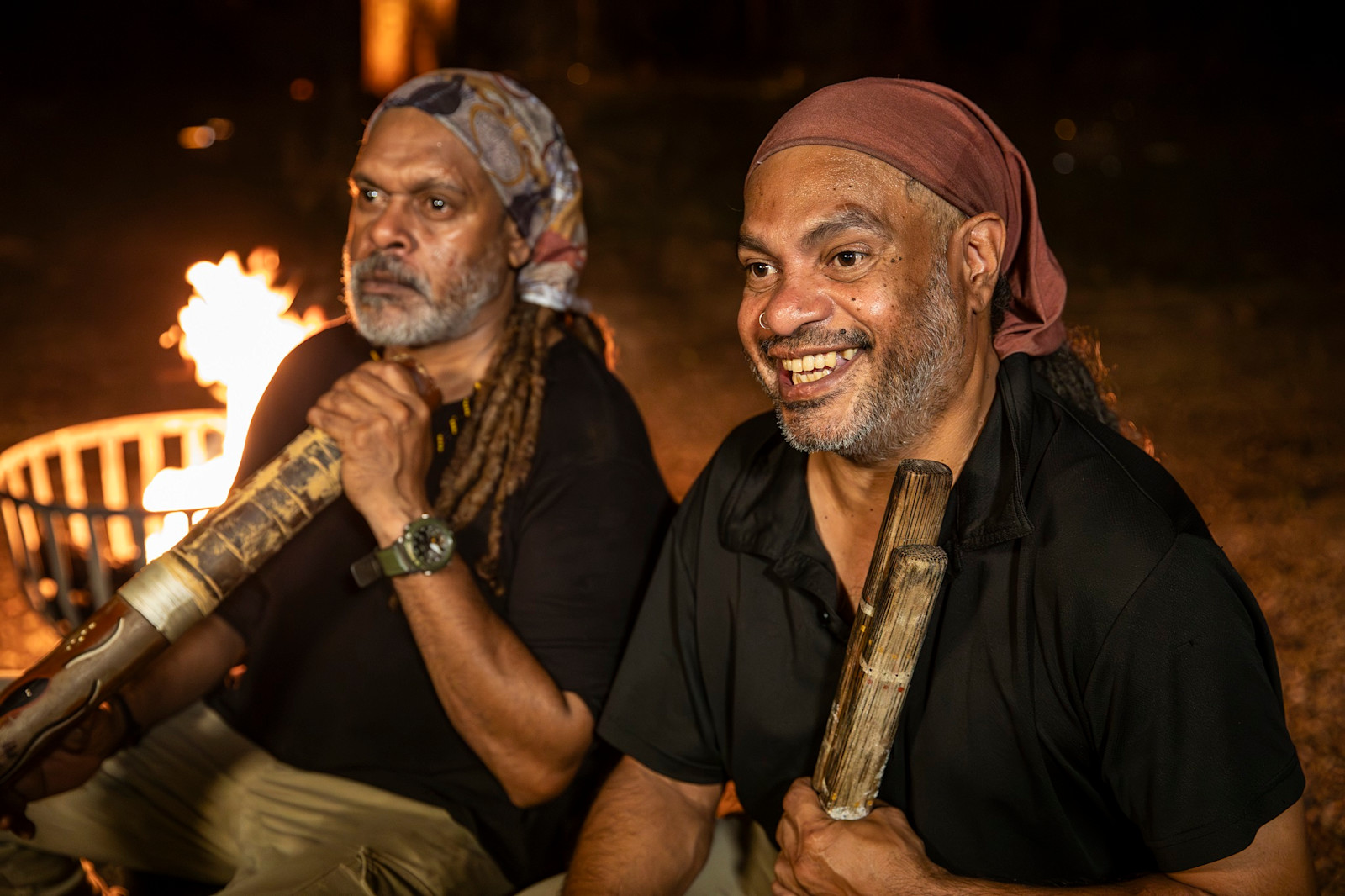
In the Kimberley, Southern Cross Cultural Tours at Lullumb guides showcase how food, fire and freshwater are intricately connected, offering foraging walks that might include collecting bush honey or sampling native figs beneath boab trees. Some experiences end with campfire cook-ups, where ancient knowledge meets modern palettes.
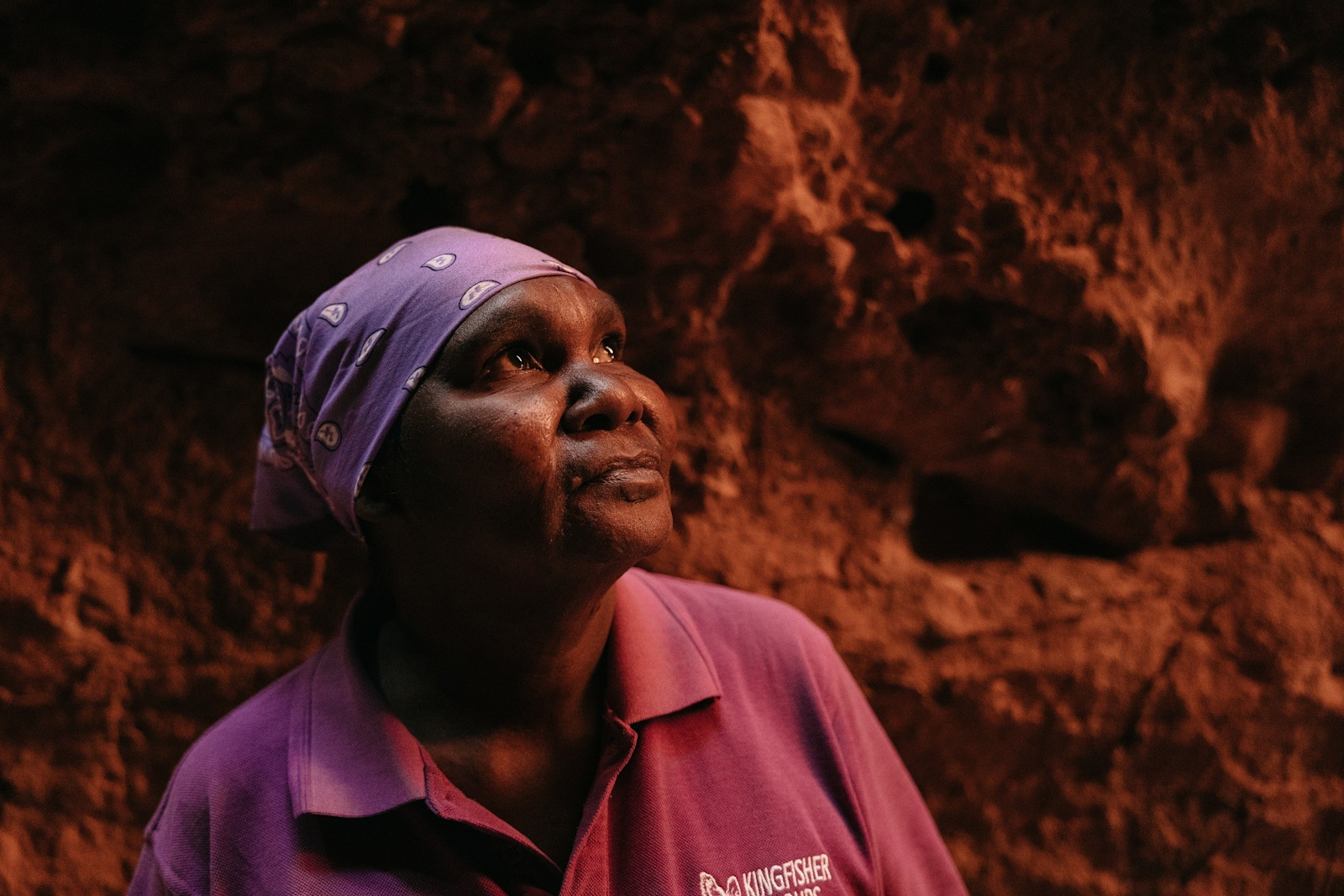
Along the Byron Creek in northern New South Wales, Bundjalung woman Delta Kay knows the hundreds of native plants that her ancestors survived on, intimately. Wander this lush landscape while learning the health and medicinal properties of flora on Delta’s Bangalow Native Bush Food Tour through Explore Byron Bay – you may even spot an elusive platypus.
Across the country, more Indigenous-led operators are weaving bush tucker into their tours, creating powerful, place-based culinary experiences that are rooted in sustainability, storytelling and deep respect for Country.
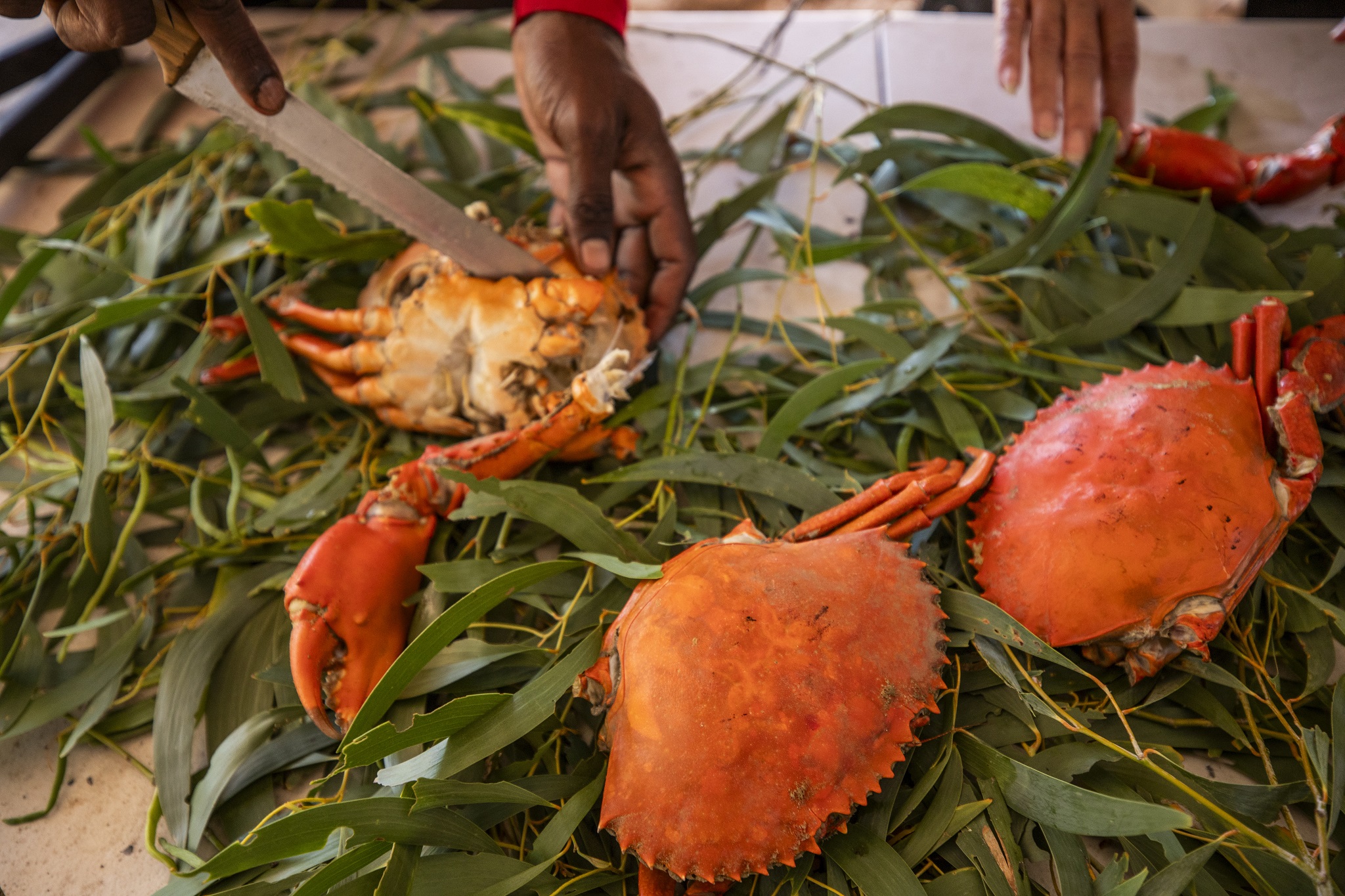
Cooking up a foraged mud-crab feast on a tour with Southern Cross Cultural Tours at Lullumb in Western Australia © Tourism Australia
Why does it matter?
Bush food isn’t just Australia’s original cuisine – it’s a path to cultural revival, ecological awareness and gastronomic innovation. By engaging with Indigenous food knowledge, travellers gain a deeper appreciation for the land they’re exploring and the people who have cared for it since time immemorial.
As First Nations chefs, growers and tour operators lead the way, bush food is being recognized not just as a trend, but as a vital ingredient in a more sustainable, respectful and delicious future.
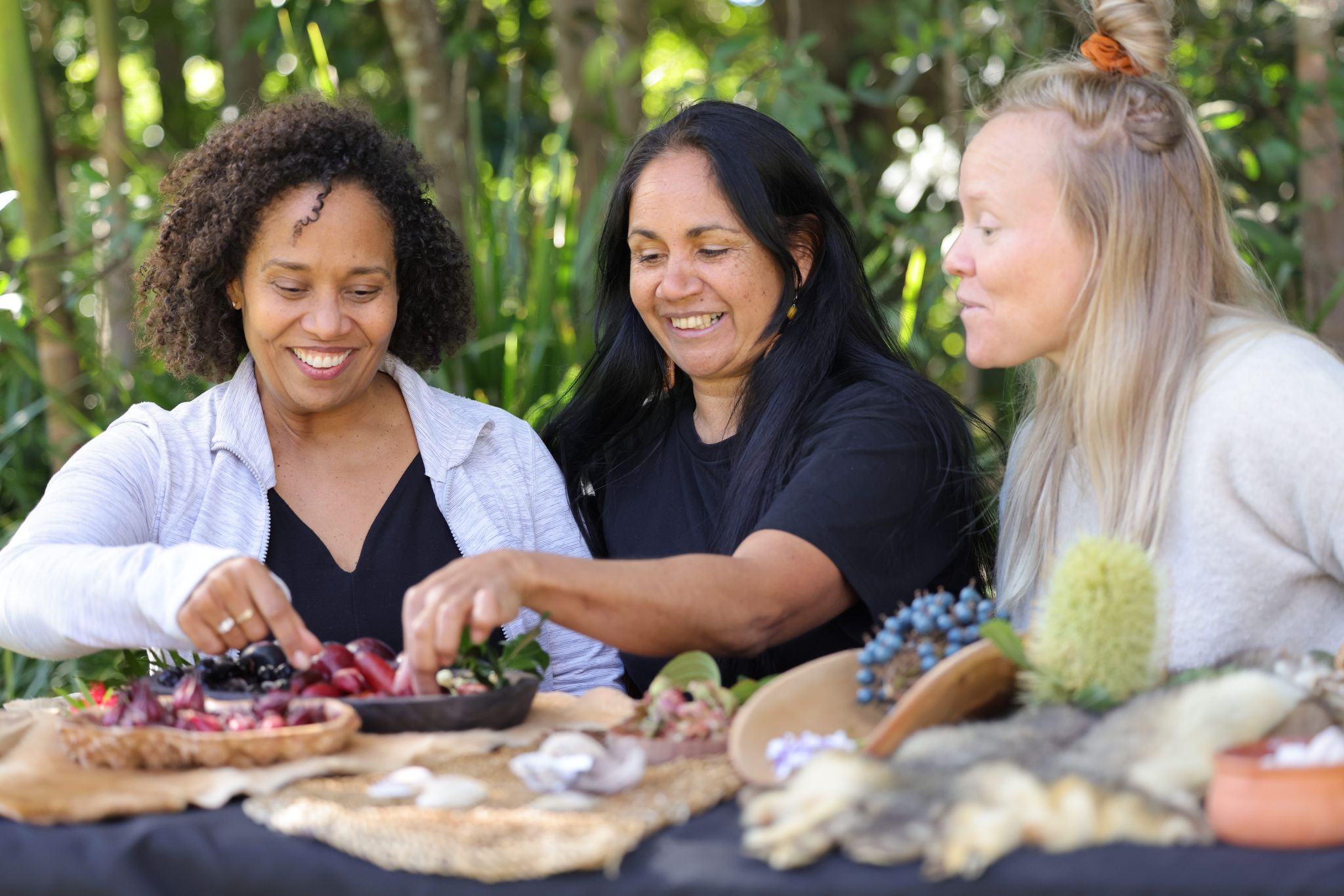
Explore Byron Bay guide Delta Kay sharing bush foods with guests on a tour in northern New South Wales © Tourism Australia
Discover the versatility of Australian bush foods with Dale Tilbrook.
Guide to saltbush in Aboriginal cultures
Guide to the finger lime in Aboriginal cultures
Guide to the green ant in Aboriginal cultures
Guide to the Kakadu plum in Aboriginal cultures