Unlocking Australia's native flavours
Taste your way around Australia with First Nations guides, from Kimberley mud crabs and Tasmanian scallops to Kakadu plum and rainforest fruits.
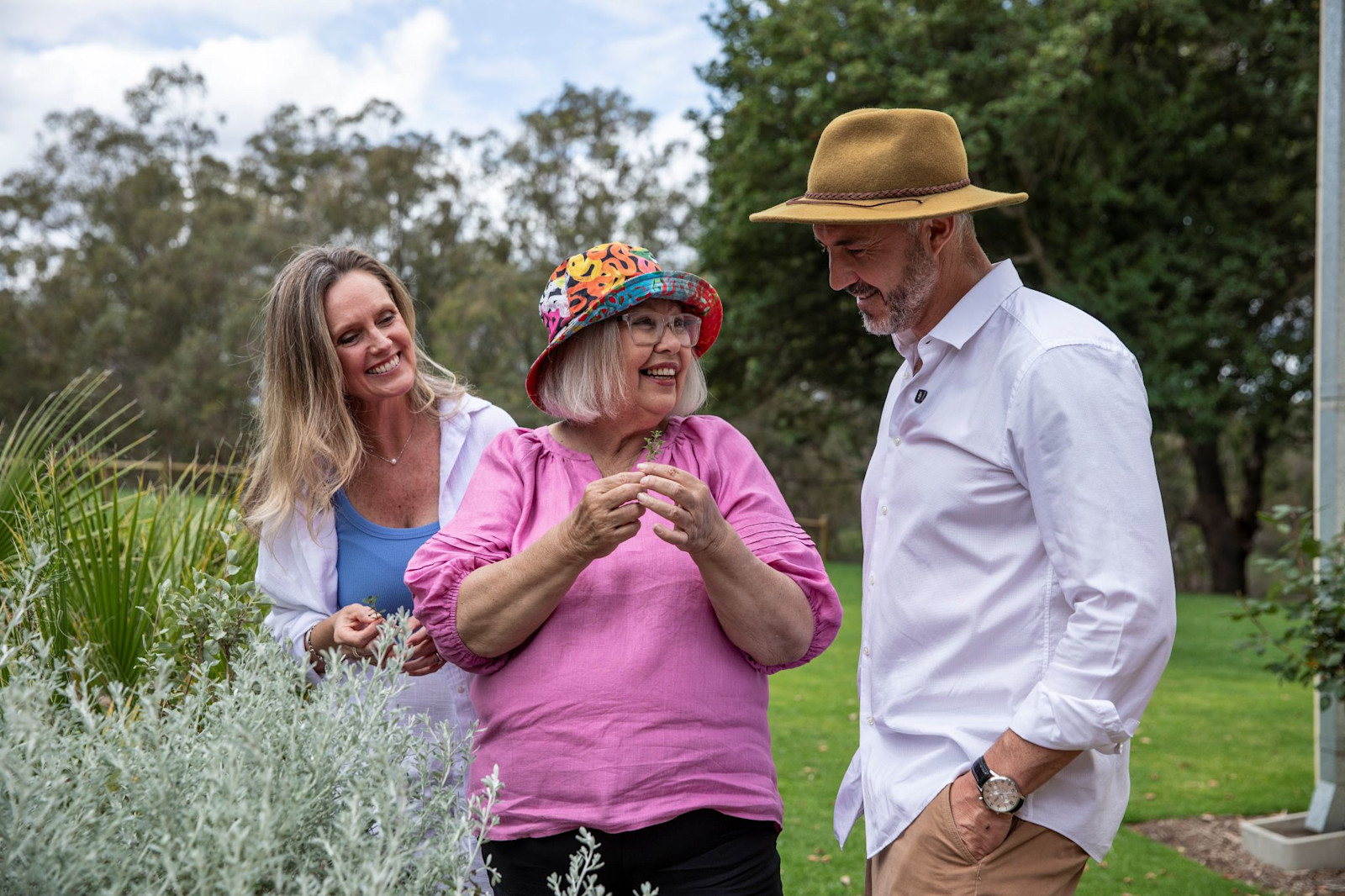
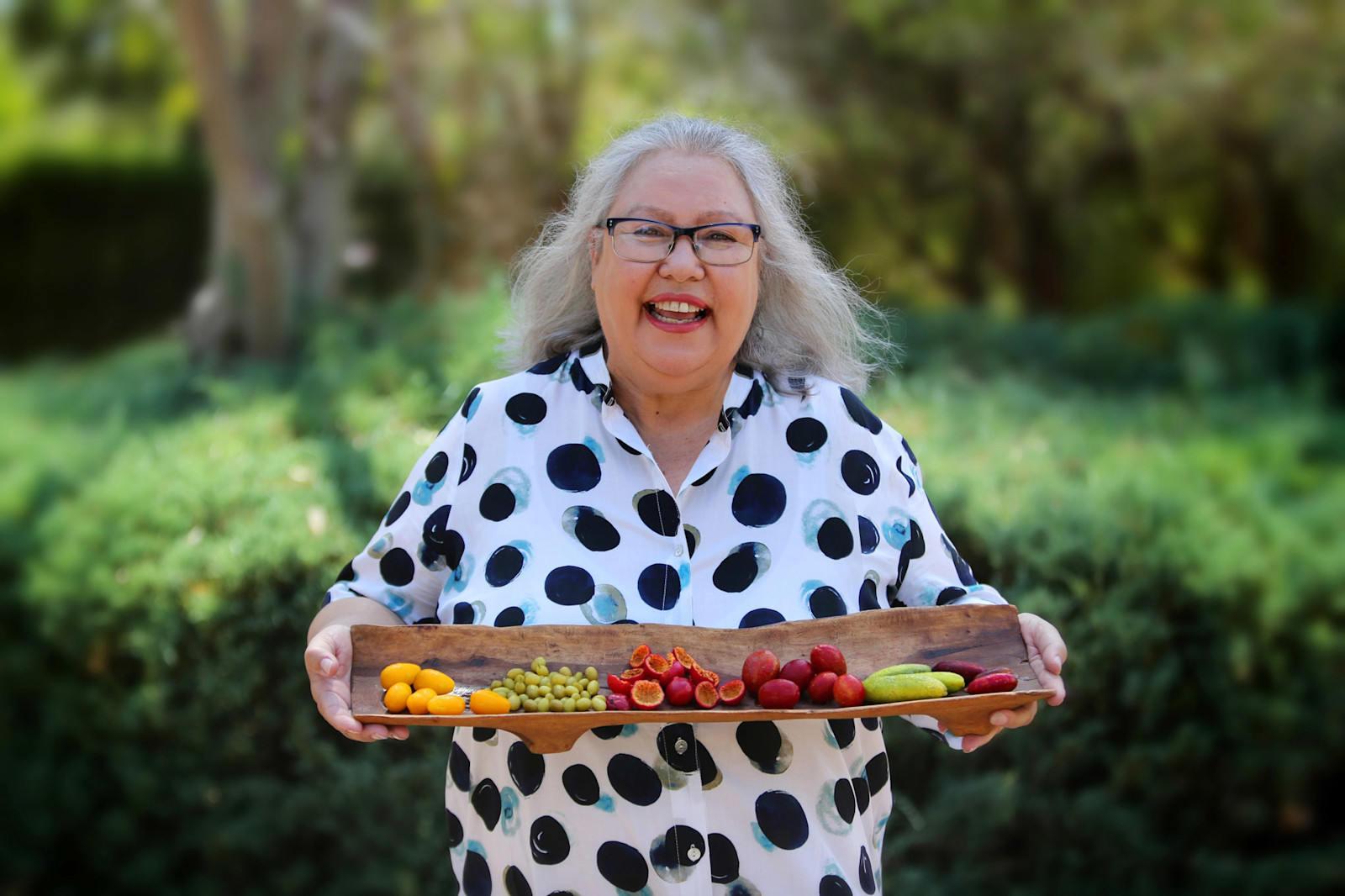
Dale Tilbrook invites guests to sample bush tucker local to the Western Australian region around Perth © Tourism Australia
A squeeze of finger lime over fresh seafood. A handful of pepperberries with a surprising kick. Mud crab cooked after a morning spent searching the mangroves. Australia’s native pantry is full of flavours that rarely make it onto an everyday shopping list – unless, of course, you know where to look.
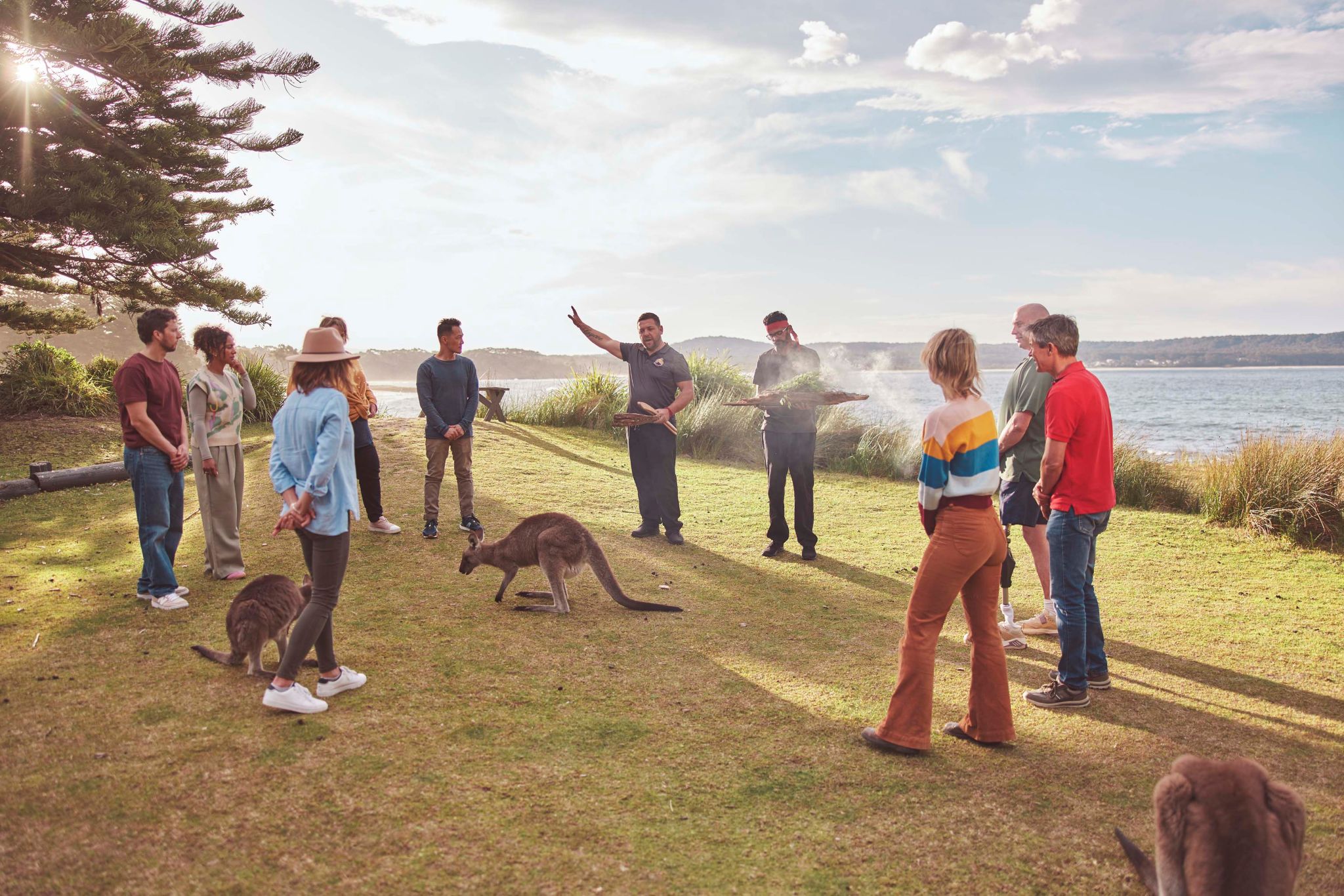
“We have an amazing bush supermarket. We have 6,500 identified native plants,” says Wardandi Bibbulmun woman Dale Tilbrook, who shares her knowledge of bush foods through Dale Tilbrook Experiences in Western Australia. Across the country, First Nations guides are opening up that pantry, showing visitors what grows locally, what tastes good and why some foods can only be gathered at particular times of year.
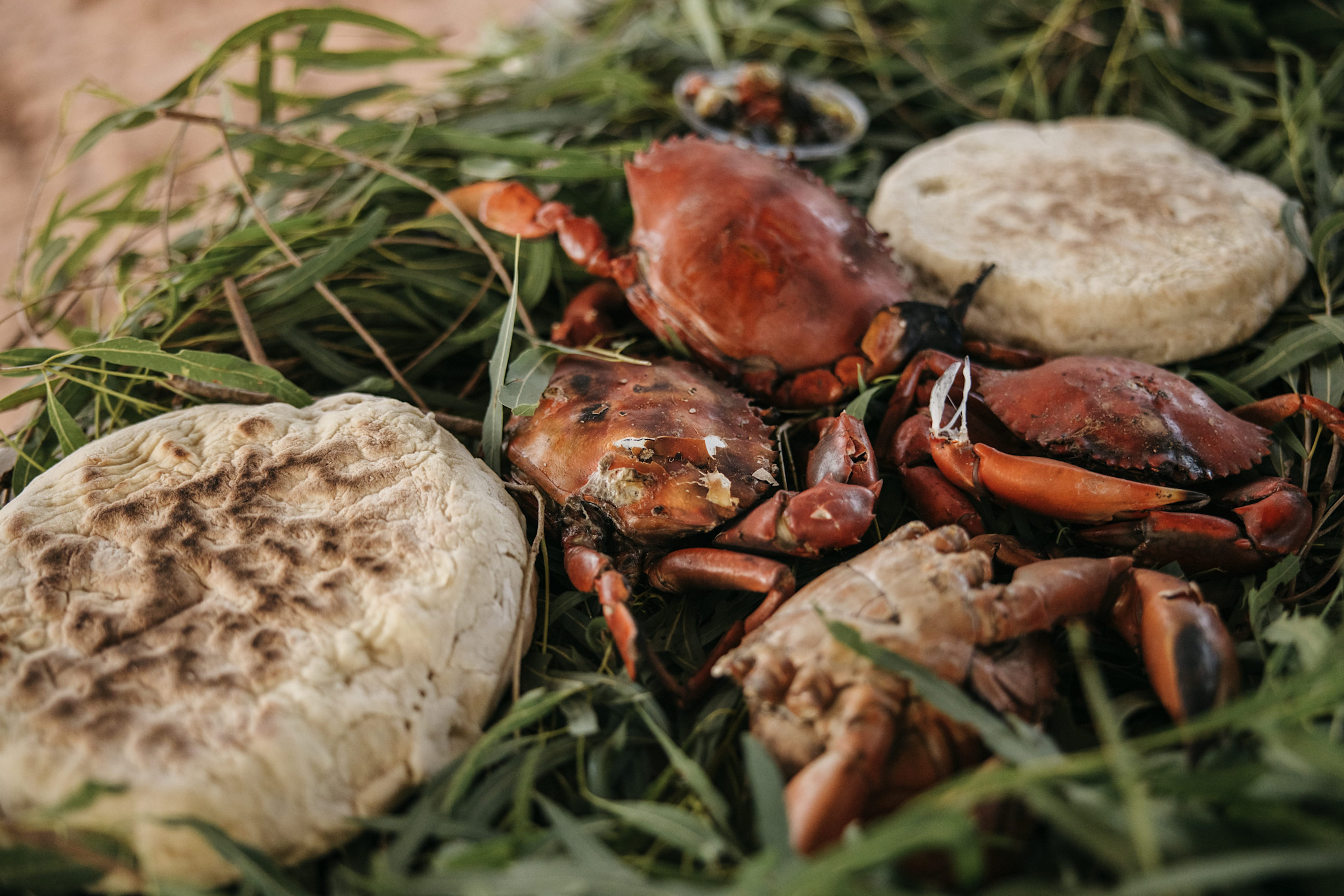
Feasting on freshly caught mud crab in the Kimberley region of Western Australia with Southern Cross Cultural Tours at Lullumb © Tourism Australia
Western Australia: A seafood feast on Country
Forget the supermarket seafood counter. On the Kimberley coast, the menu might begin with oysters prised from the rocks, cockles found on the tidal flats or a mud crab caught among the mangroves. Akoya oysters and sea snails add to the remarkable range of seafood associated with these northern waters.
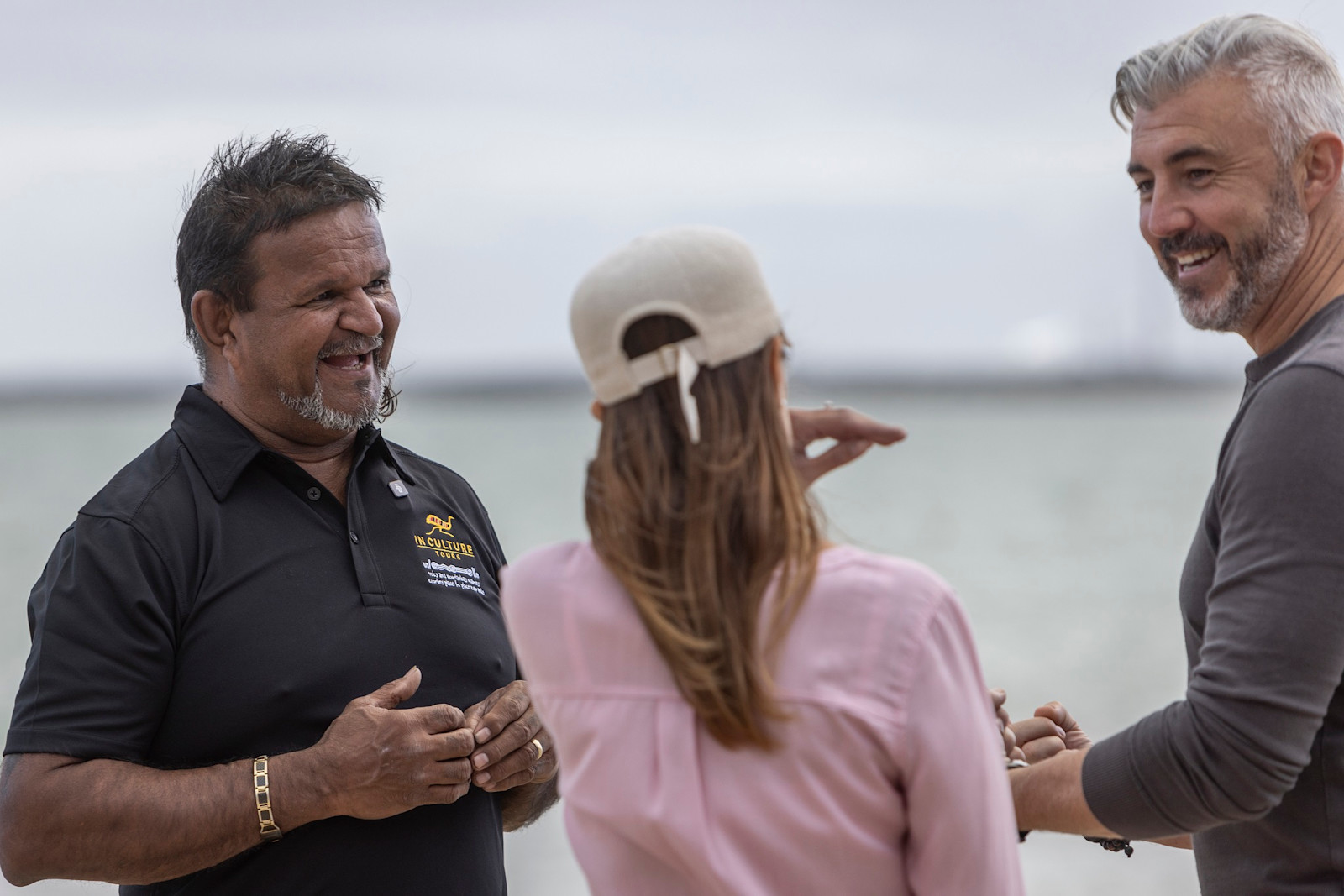
On a tour with Southern Cross Cultural Tour at Lullumb, Bardi guide Bolo Angus shares the skills needed to find food along the coast. Depending on the tides and season, a walk can lead to a freshly prepared catch and a campfire cook-up. At Cygnet Bay, Borrgoron Coast to Creek Tours takes visitors out with Bardi guides to learn how the coast provides food, including oysters and other shellfish.
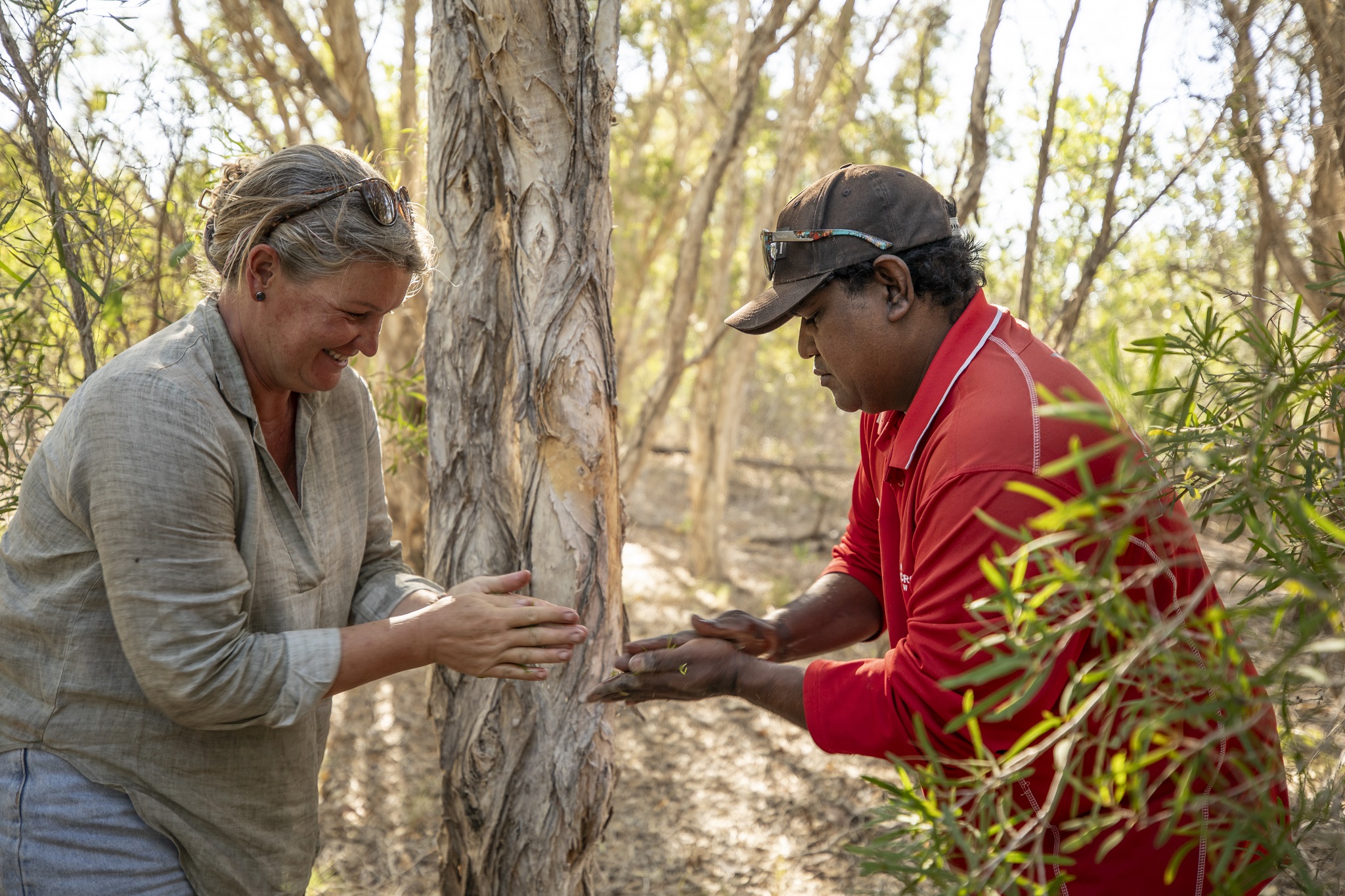
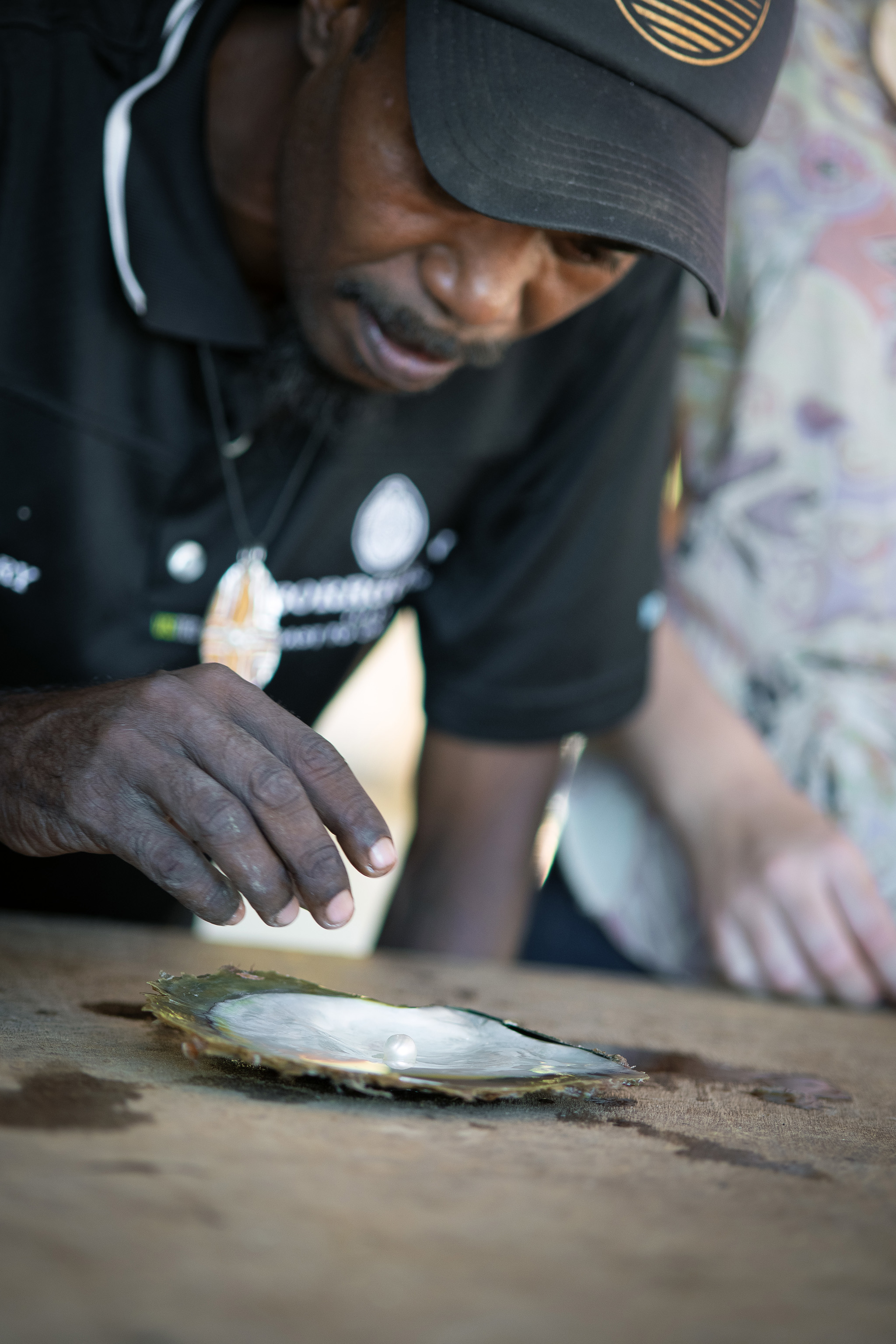
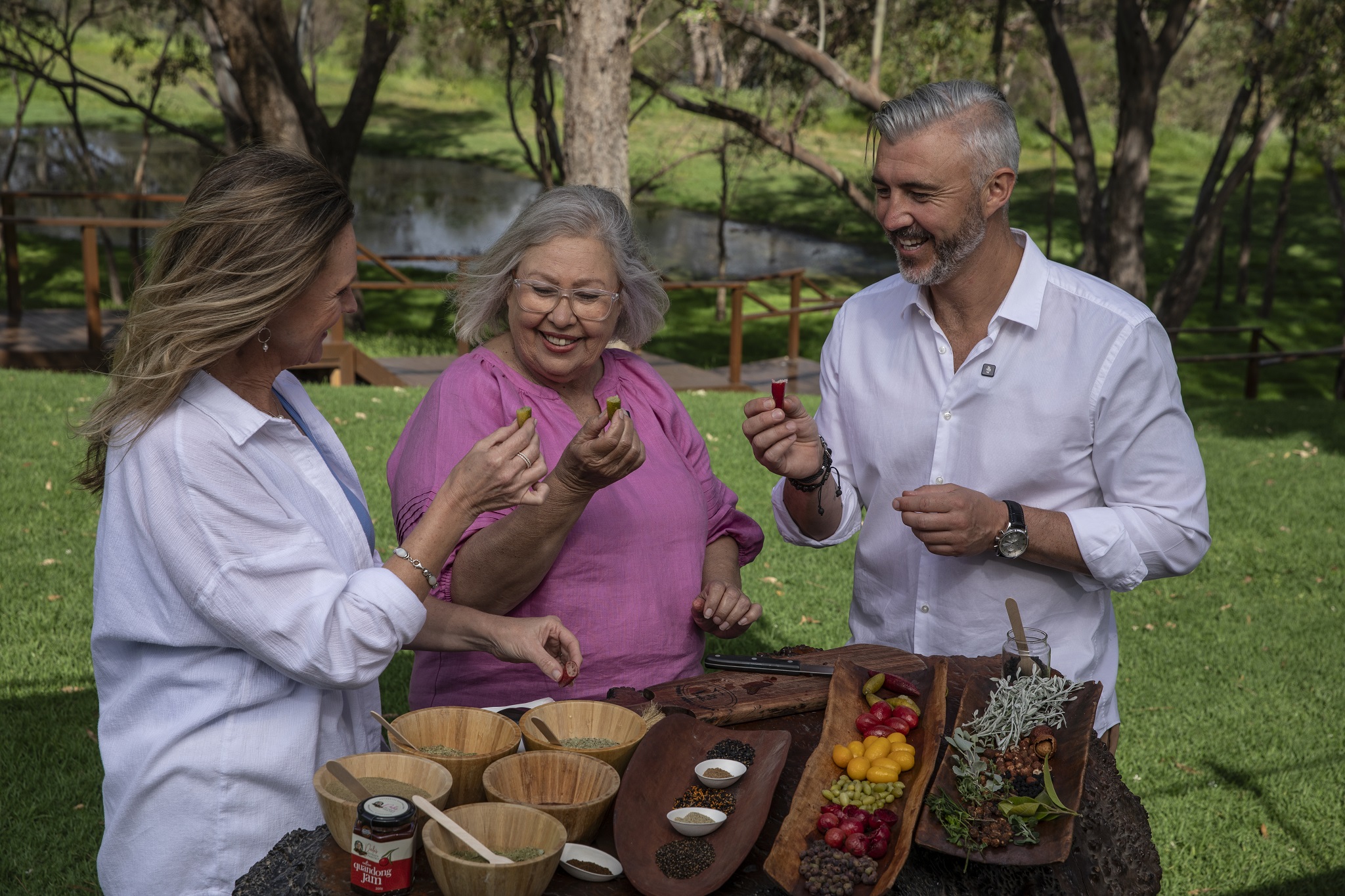
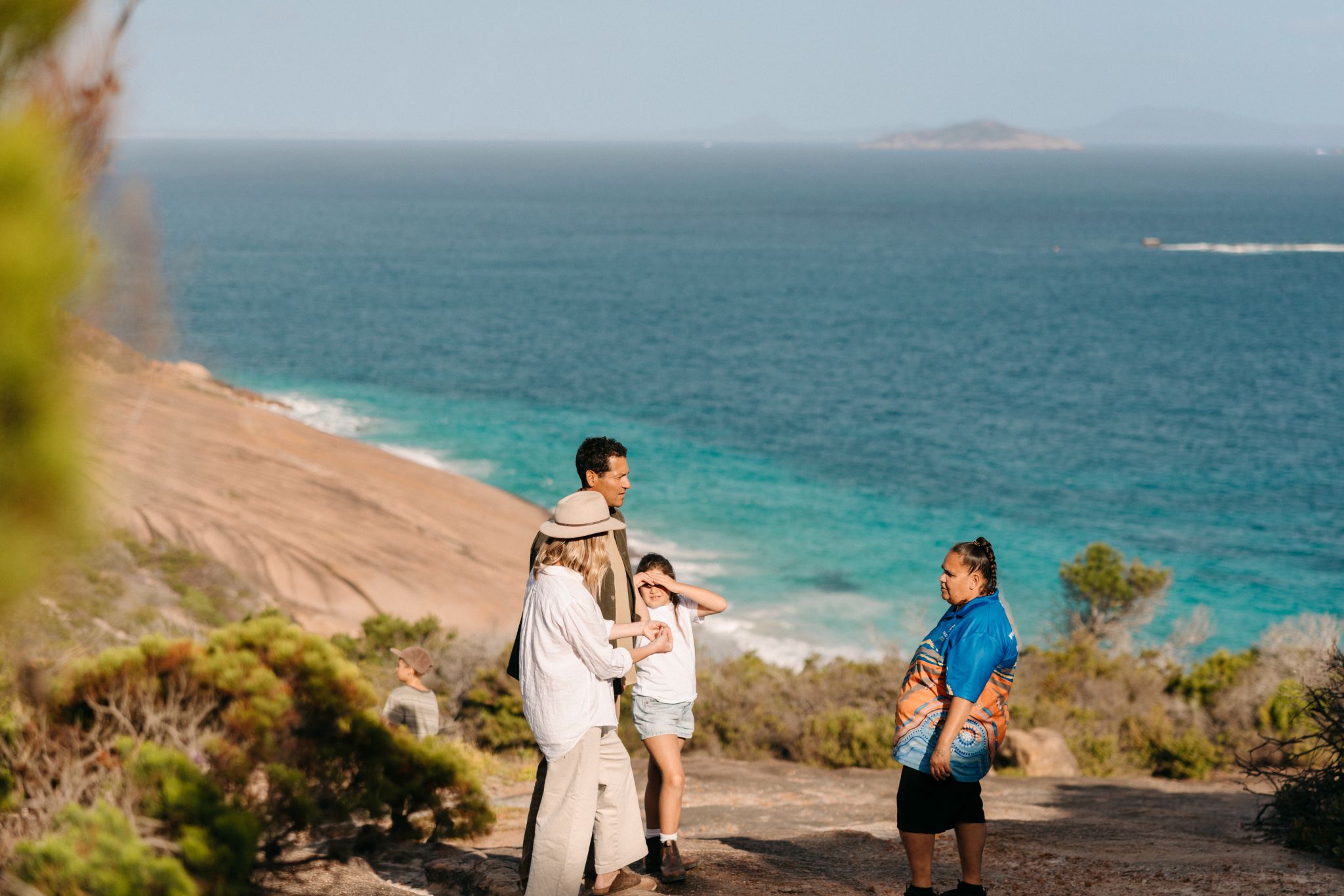
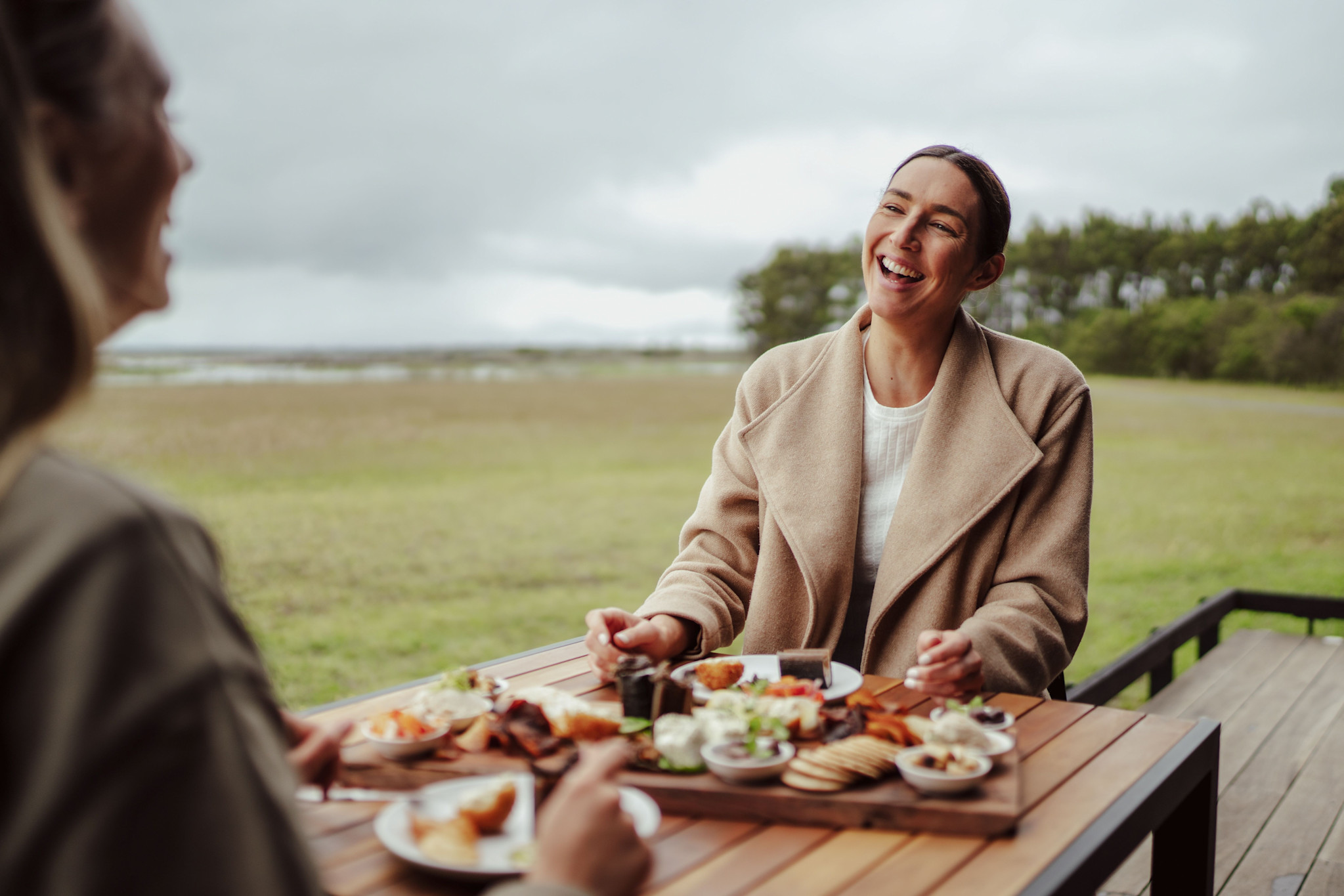
Head south and the tastes change. Freshwater marron is a Western Australian delicacy, while quandongs bring a tart, almost apricot-like note to sweet and savoury dishes. In the Swan Valley, Dale Tilbrook’s tastings make room for native herbs, nuts, seeds and fruits – the sort of ingredients that might otherwise pass unnoticed. Around Esperance / Kepa Kurl, Annie and Julie Dabb of Dabungool Cultural Experiences share coastal plant knowledge, seasonal bush foods and bush tea.
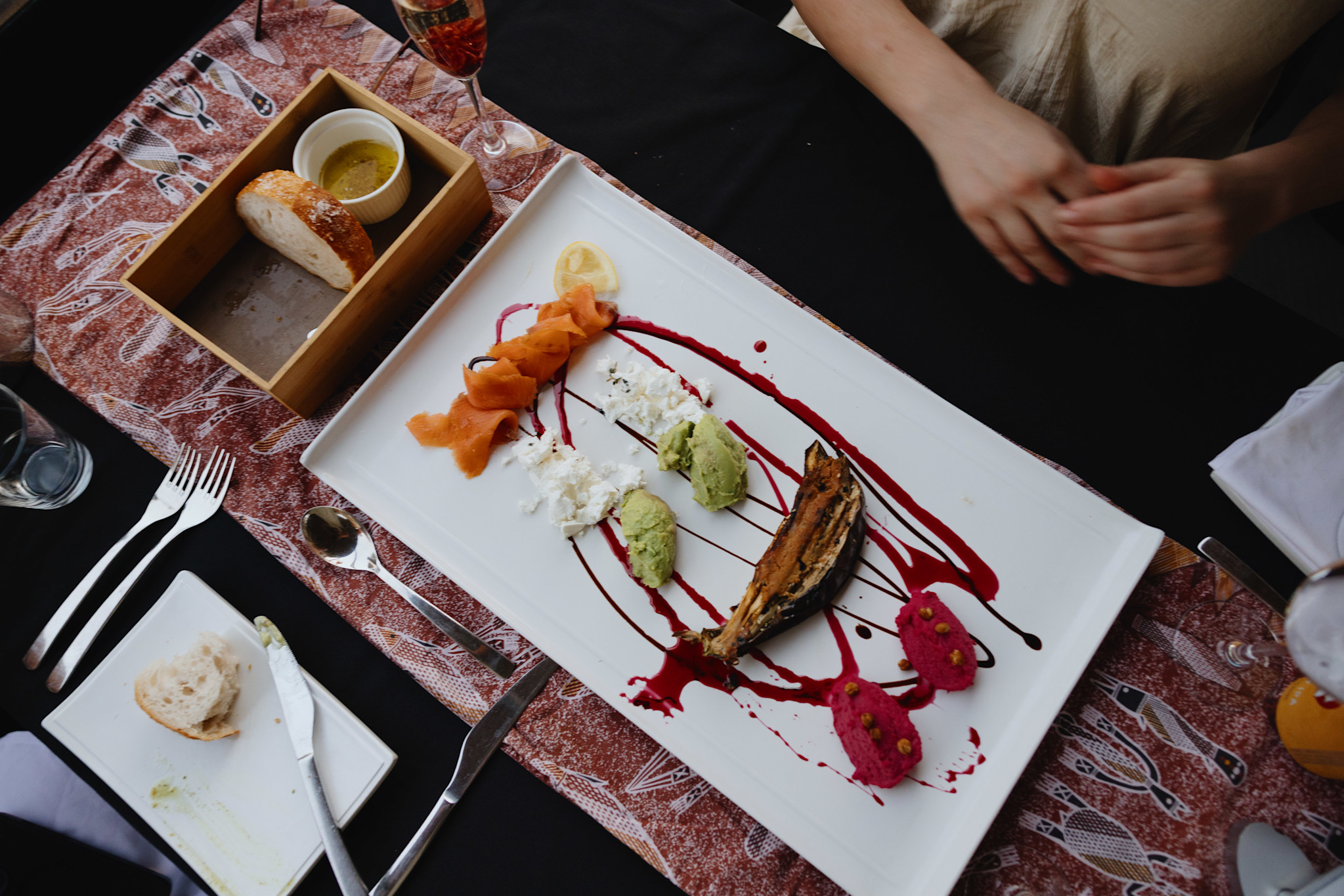
A culinary experience highlighting native produce on Nitmiluk Tours in the Northern Territory © Tourism Australia
South Australia: The salt of the coast
Samphire has a salty snap that makes it a natural partner for seafood. Sea parsley and native spinach bring their own fresh, green flavours, while saltbush adds a savoury edge. Inland, the bright red quandong offers something entirely different: a sharp fruit that works beautifully in preserves and desserts.
There’s plenty to learn before any of it reaches a plate. On Bookabee Australia’s native plant experiences in Adelaide, visitors discover which flora have traditionally been used for food and medicine, and how to recognise them. Southern Cultural Immersion’s Kaurna-led experiences offer another way to explore the relationship between local plants and Country.
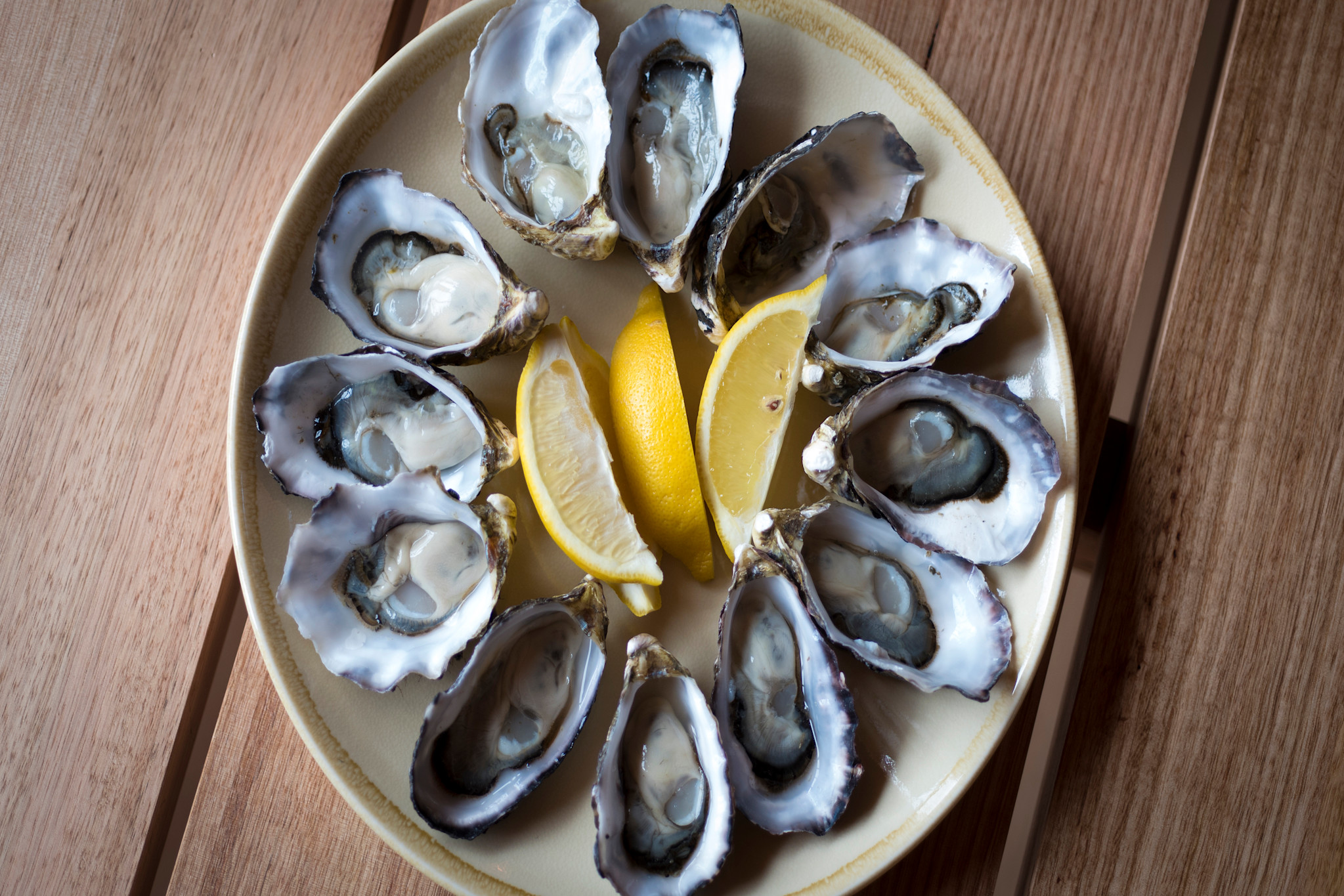
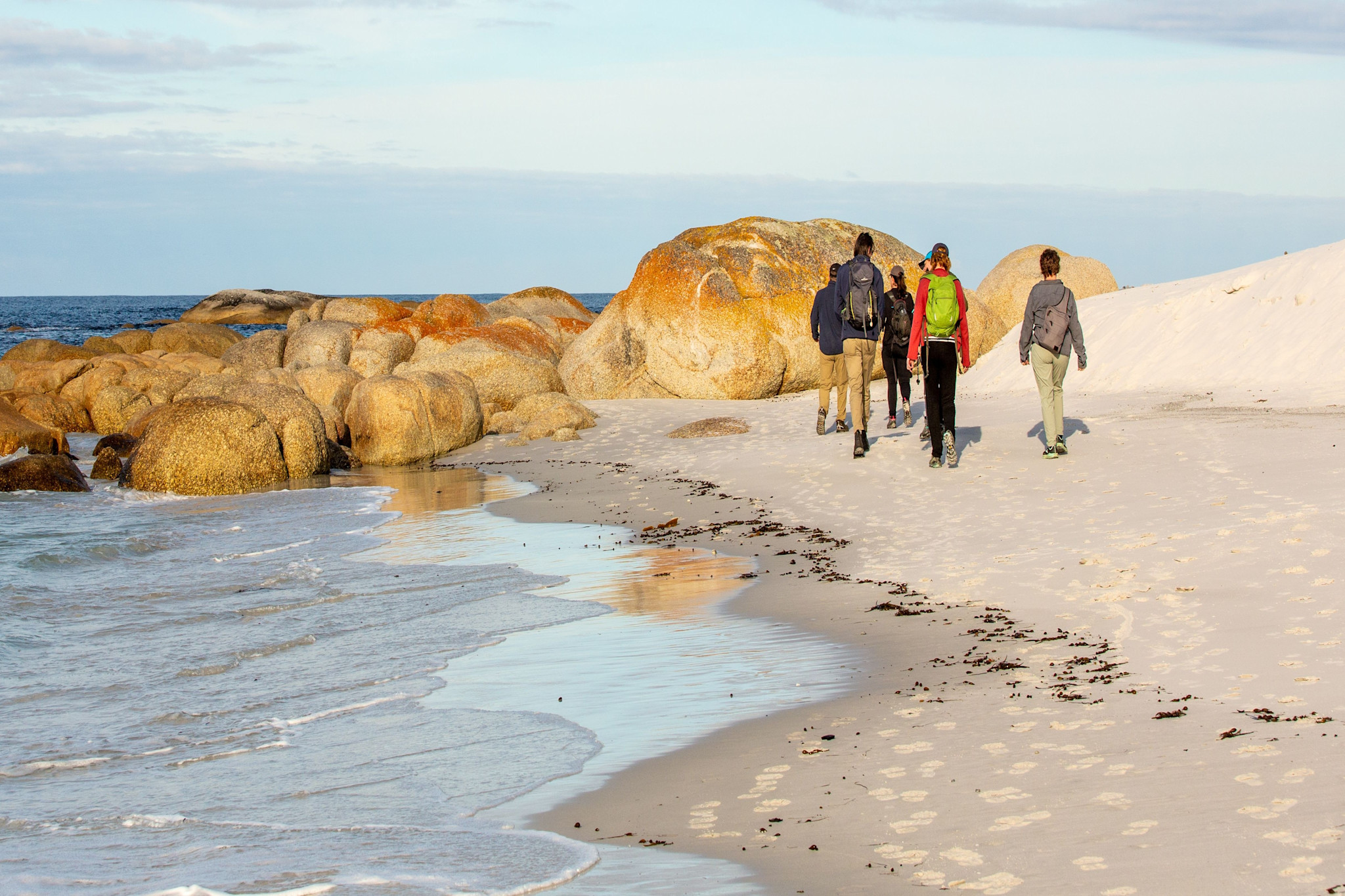
Enjoying freshly harvested Tasmanian oysters on wukalina Walk © Tourism Australia
Tasmania / Lutruwita: Scallops and pepperberries
Tasmanian pepperberries look innocent enough, but their heat has a habit of sneaking up on you. Add saltbush, oysters, abalone and sweet, delicate scallops and you have the makings of a very different sort of island menu.
On the four-day wukalina Walk in north-east Tasmania / Lutruwita, food is part of the cultural experience rather than a separate restaurant stop. Palawa guides share knowledge of coastal Country, and meals can bring local seafood and ingredients to the table.
Scallops and muttonbird – the short-tailed shearwater – are two memorable tastes of the region. Muttonbirding remains an important cultural practice for Palawa families; its place on the table carries stories of family, season and community as well as flavour.
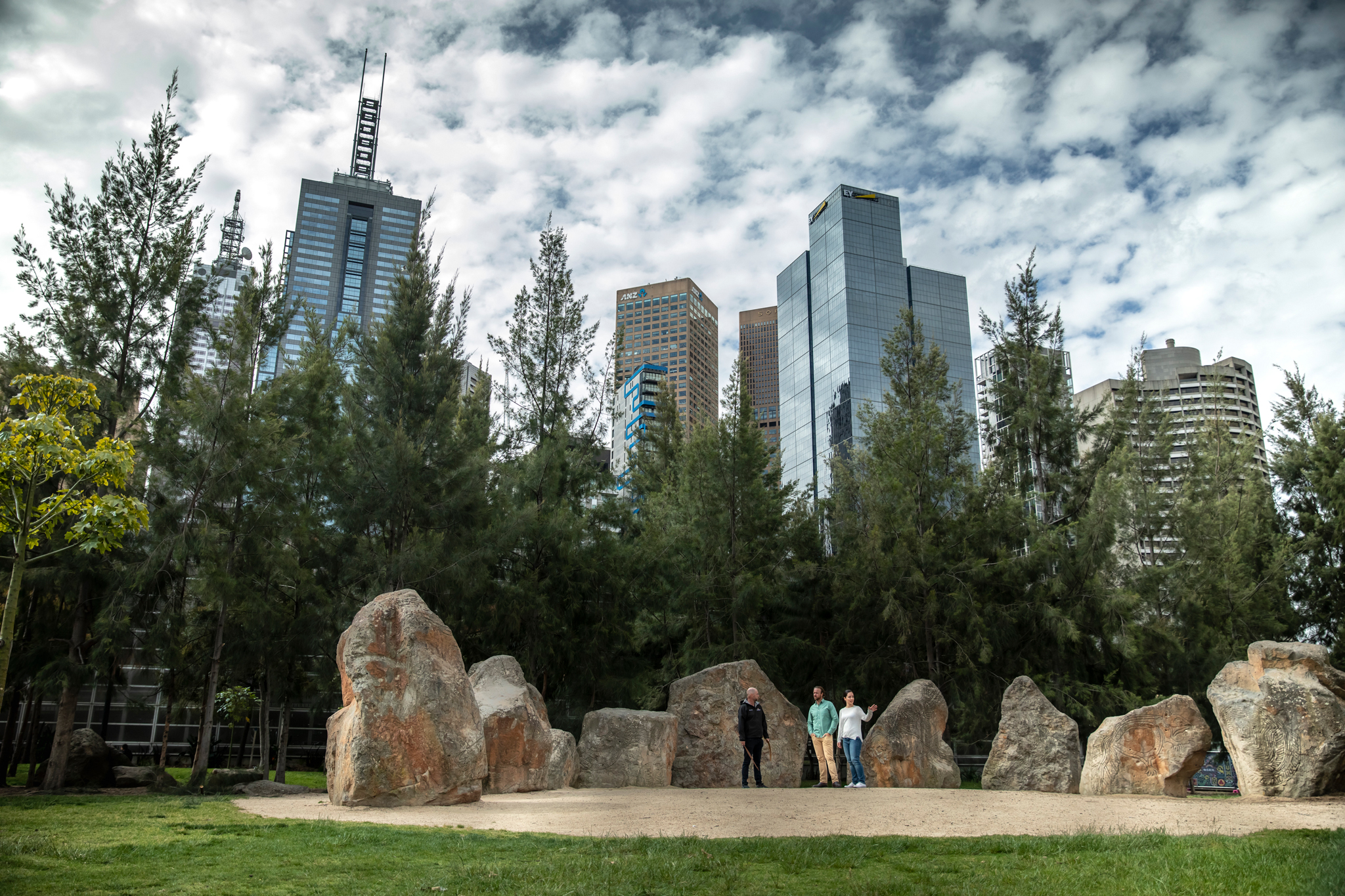
In Victoria, Budj Bim Cultural Landscape offers tasting platters that highlight eel that has been harvested here for tens of thousands of years © Tourism Australia
Victoria: Eels, muntries and quandongs
Muntries are tiny berries with a sweet, spicy-apple flavour; quandongs are sharper, often likened to tart stone fruit. Both belong to the wider native food story of southern Australia. But in Victoria, one of the most remarkable ingredients is freshwater eel.
At Budj Bim Cultural Landscape in the state’s south-west, Gunditjmara guides show how their ancestors engineered channels, ponds and weirs to manage and harvest kooyang, or short-finned eel. The ancient aquaculture system makes far more sense when you see how water moves through the stonework – and learn how eels were caught and smoked. Some experiences include an eel tasting.

There’s an intriguing connection to Melbourne / Naarm. Eels have also long lived in the Birrarung (Yarra River), where they were an important food for Kulin peoples. On Koorie Heritage Trust’s river walks, the waterway becomes a place to discover the plants, animals and resources that sustained communities long before the city rose around it. The two waterways are separate, but the importance of eel runs through both stories.
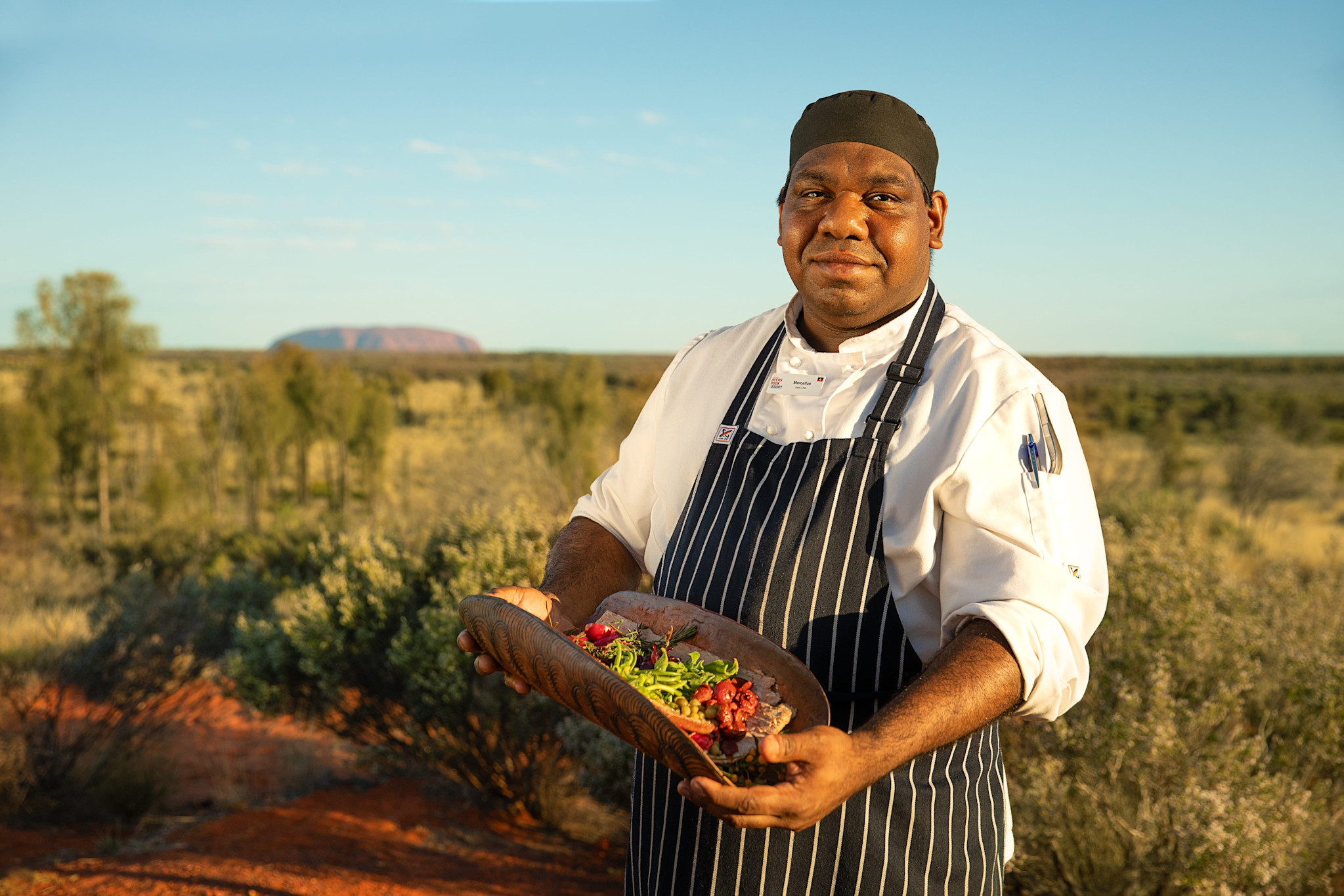
A chef showcasing native produce used at the Tali Wiru dinner at Ayers Rock Resort in the Northern Territory © Tourism Australia
Northern Territory: Crocodile with a twist
Crocodile laksa probably isn’t the first dish that comes to mind when you picture dinner in the Top End. Yet Cicada Lodge at Nitmiluk has created an award-winning version using crocodile tail smoked with a traditional Jawoyn ground-oven technique. It’s a brilliant example of how a familiar dish can take on an entirely different local flavour, alongside the lodge’s changing three-course dinners that may feature barramundi and other seasonal Territory produce.

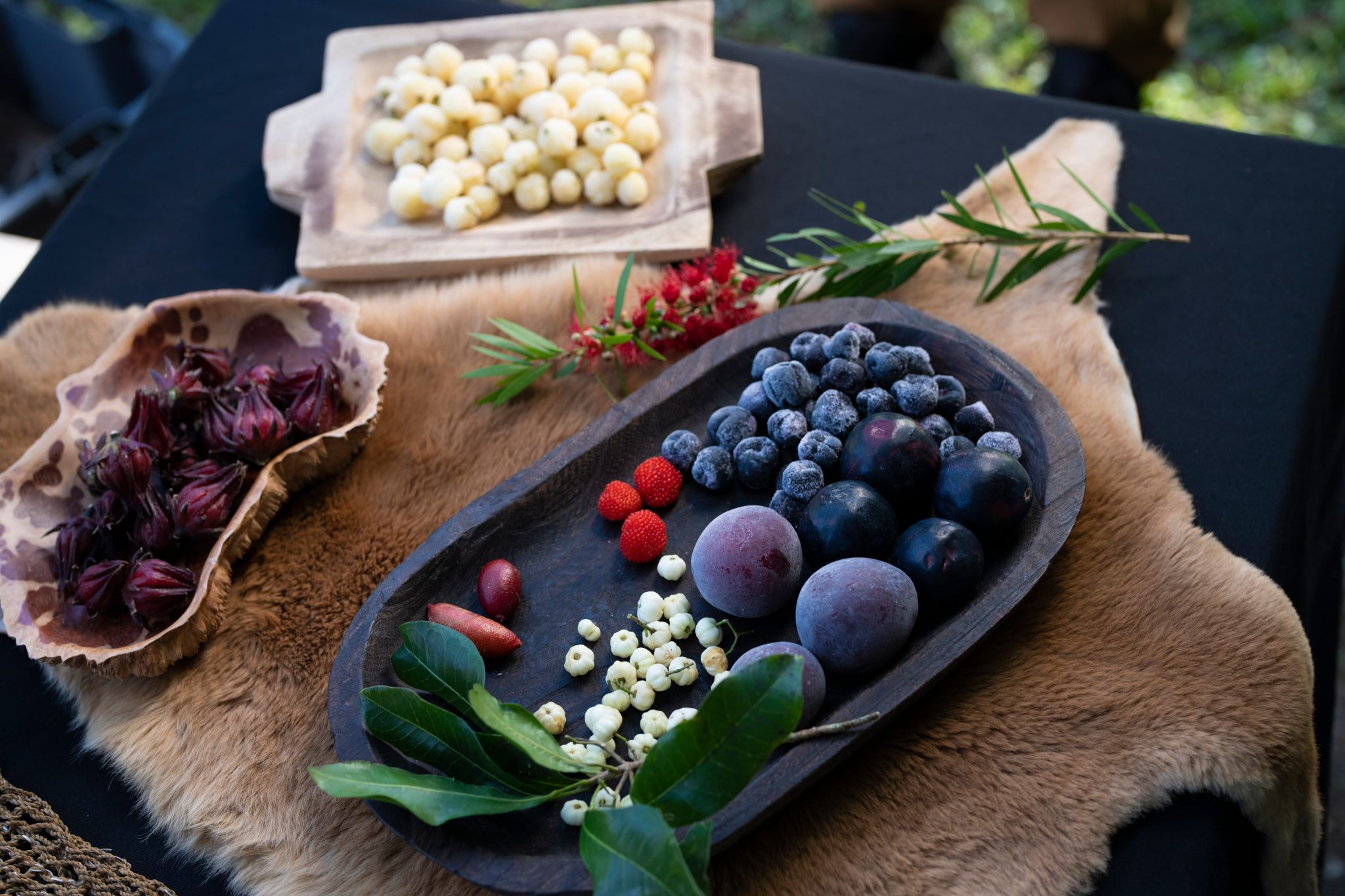
Kakadu plum brings an assertive tartness and is famous for its vitamin C content, while red bush apple has a refreshing crunch. At Kakadu Tourism’s Mimi’s Restaurant at Cooinda, previous menus have paired barramundi with Kakadu plum and finger lime, and buffalo with rosella and Davidson’s plum.

Further south, dinner comes with a view of Uluṟu and Kata Tjuṯa at Tali Wiru, Voyages Tourism Australia's intimate open-air dining experience. Champagne and canapés are served as the sun sets, before guests sit down to four courses celebrating native ingredients. Think kangaroo tartare, lemon myrtle haloumi, emu pâté or pepperberry-pressed cauliflower, paired with premium Australian wines. Afterwards, an Aṉangu storyteller shares stories of Country beneath the desert stars.
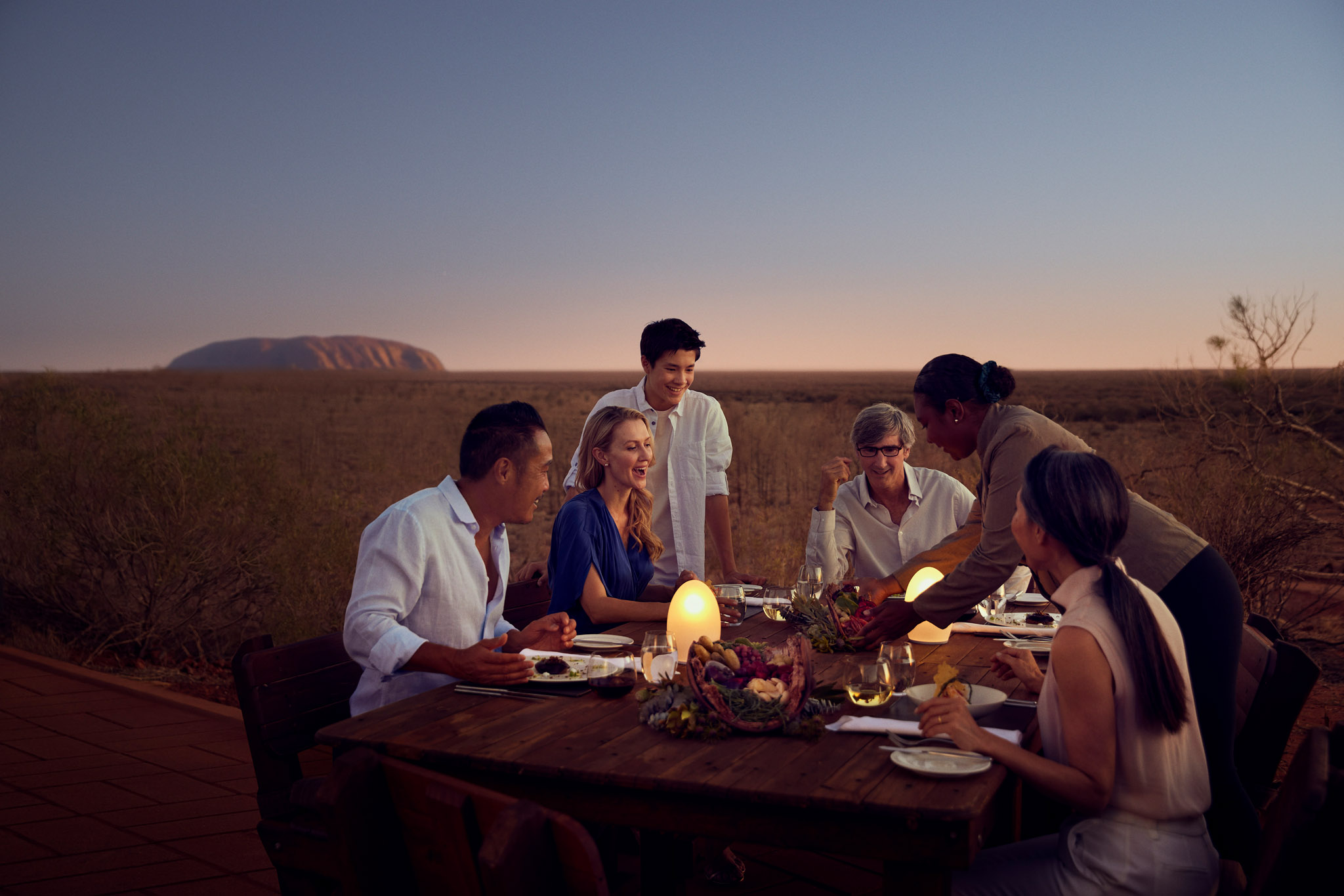
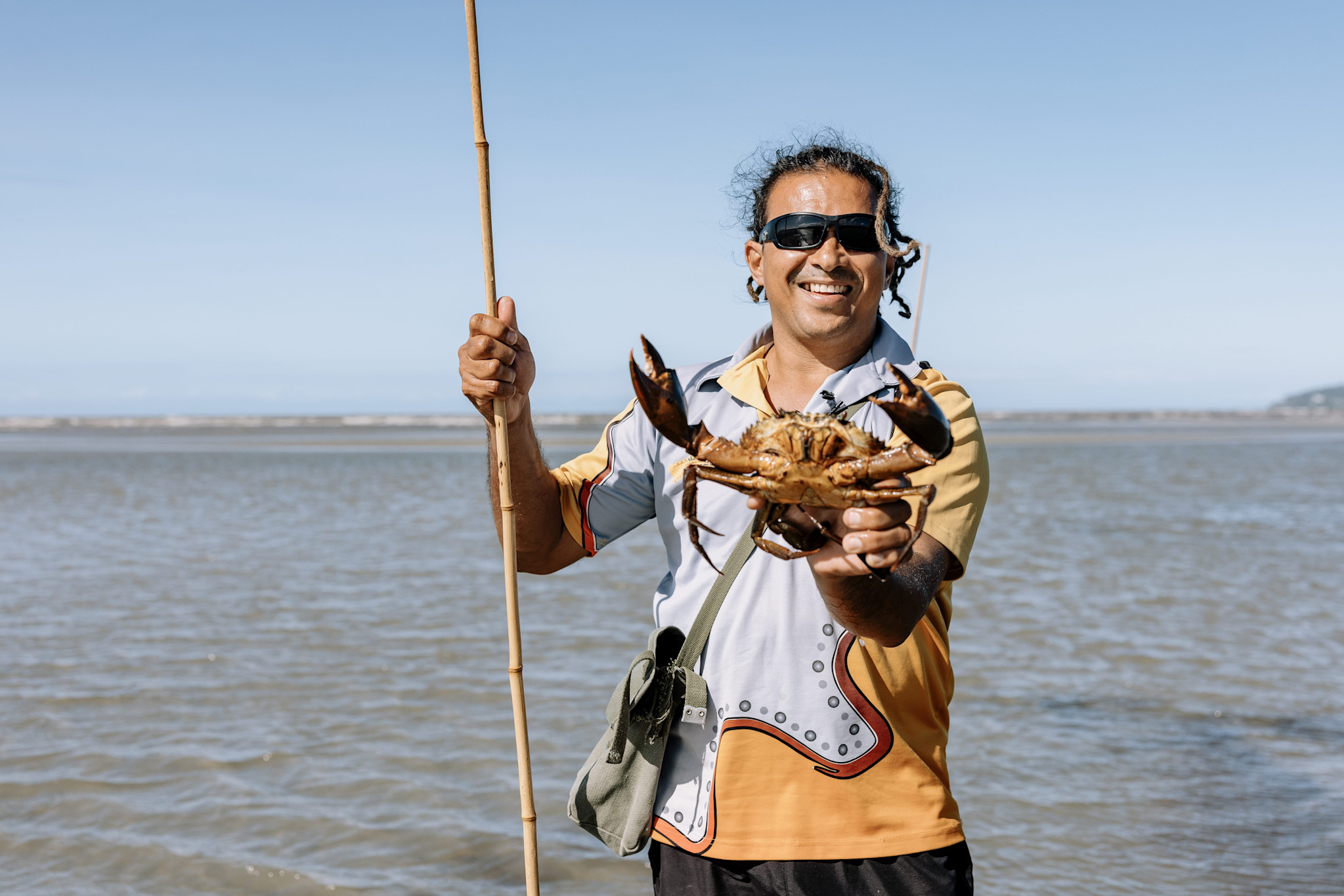
In Tropical North Queensland, Juan Walker of Walkabout Cultural Adventures shows how to catch mud crabs along the coast © Tourism Australia
Queensland: Citrus pearls and mud crabs
Slice open a finger lime and tiny citrus pearls spill out, ready to burst over seafood. Davidson’s plum is another surprise: deep purple, intensely sour and better suited to a sauce or preserve than a casual bite straight from the tree. Then there are the mud crabs, fish and shellfish found along the tropical coast.
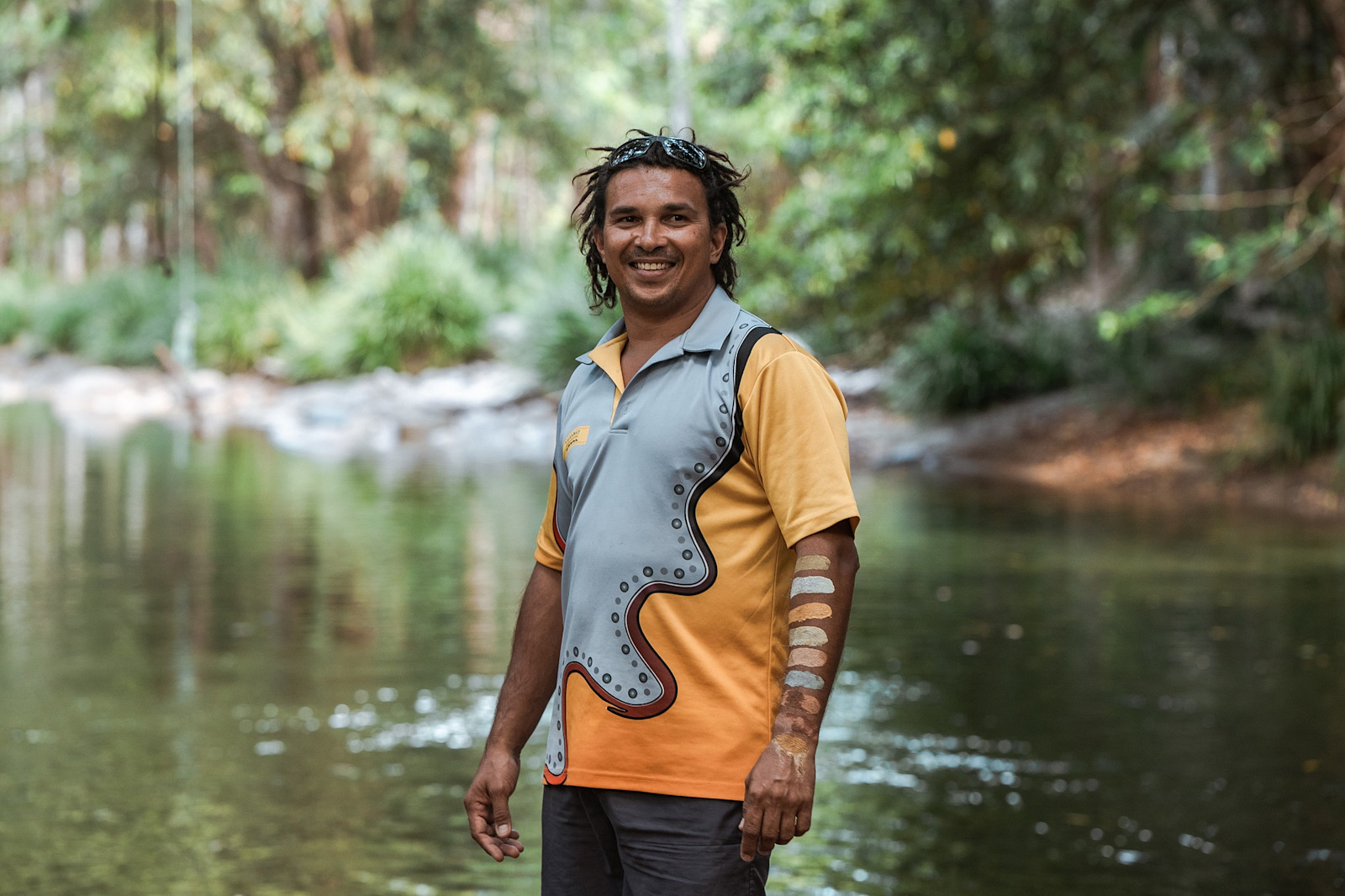
Around the Daintree, Kuku Yalanji guide Juan Walker of Walkabout Cultural Adventures takes guests into rainforest and coastal environments to identify edible plants and learn traditional fishing and gathering techniques. On some tours, that might mean hunting for mud crabs.

For a more leisurely tasting, Saltwater Eco Tours on the Sunshine Coast offers a Bushtucker Cruise with native-inspired seafood canapés and botanical drinks. And at Flames of the Forest near Port Douglas, dinner is served under the rainforest canopy alongside Aboriginal storytelling and cultural performances – a very different setting from the mudflats, but another way to explore the region’s food culture.
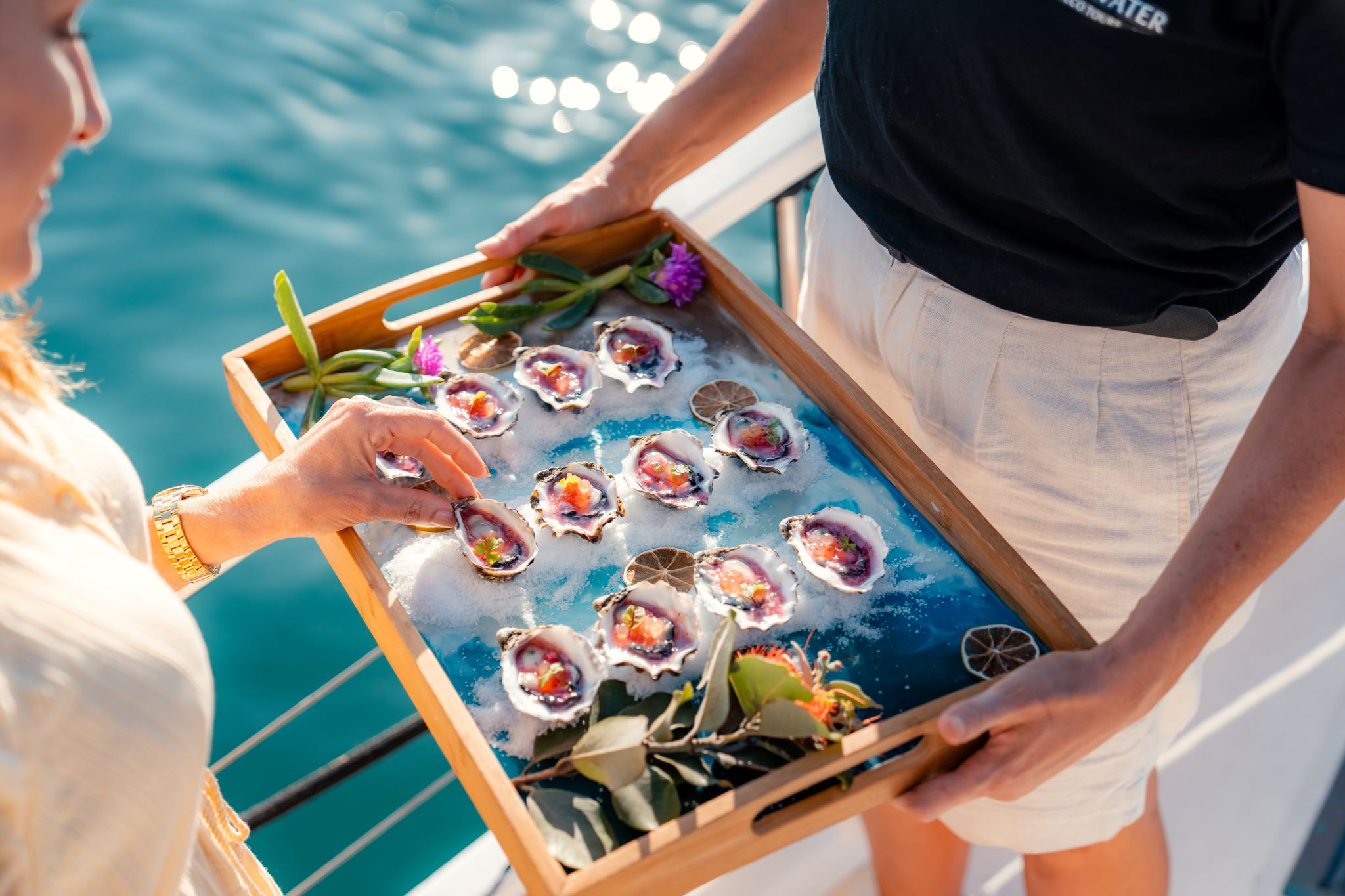

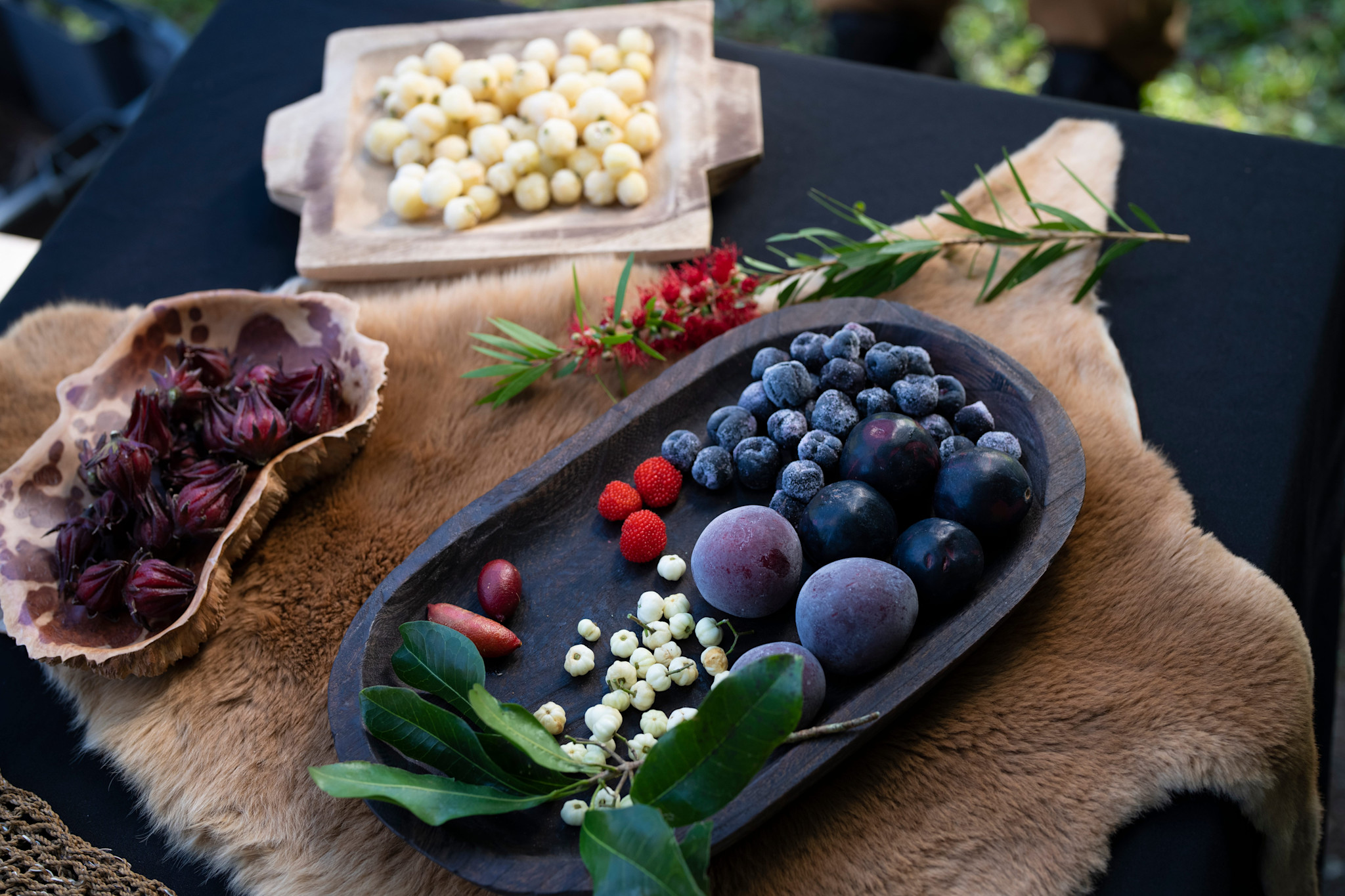
Delta Kay of Explore Byron Bay in NSW showcases the plentiful bush foods found around this part of the state © Tourism Australia
New South Wales: A rainforest fruit bowl
Davidson’s plum might look like an ordinary plum, but one taste quickly puts that idea to rest. Its sharp acidity is a gift to sauces, desserts and preserves. Lemon myrtle smells unmistakably citrusy, while native raspberries and riberries bring their own sweet-tart character to the rainforest pantry.
On Bundjalung Country near Byron Bay, Delta Kay of Explore Byron Bay takes visitors along Byron Creek to find out what’s edible and how plants have traditionally been used. Her Bangalow Native Bush Food Tour includes a chance to sample native foods, with bush tea and a macadamia biscuit rounding out the walk. Further south on Yuin Country, Ngaran Ngaran Culture Awareness brings native ingredients into cultural and dining experiences, showing how food can tell a story without anyone needing to sit through a lecture.
Take only what you need There’s a reason these experiences are about more than finding something delicious. A fruit needs time to ripen. A shellfish bed needs time to replenish. What you leave behind matters as much as what you take away. “We never take everything from a plant. Caring for Country today means protecting our plants so they’re available for future generations,” says Dale Tilbrook