Sustainable food systems: bushfoods, climate resilience and cultural connection
For more than 60,000 years, Aboriginal people have cultivated, harvested and cared for native plants that thrive where others fail
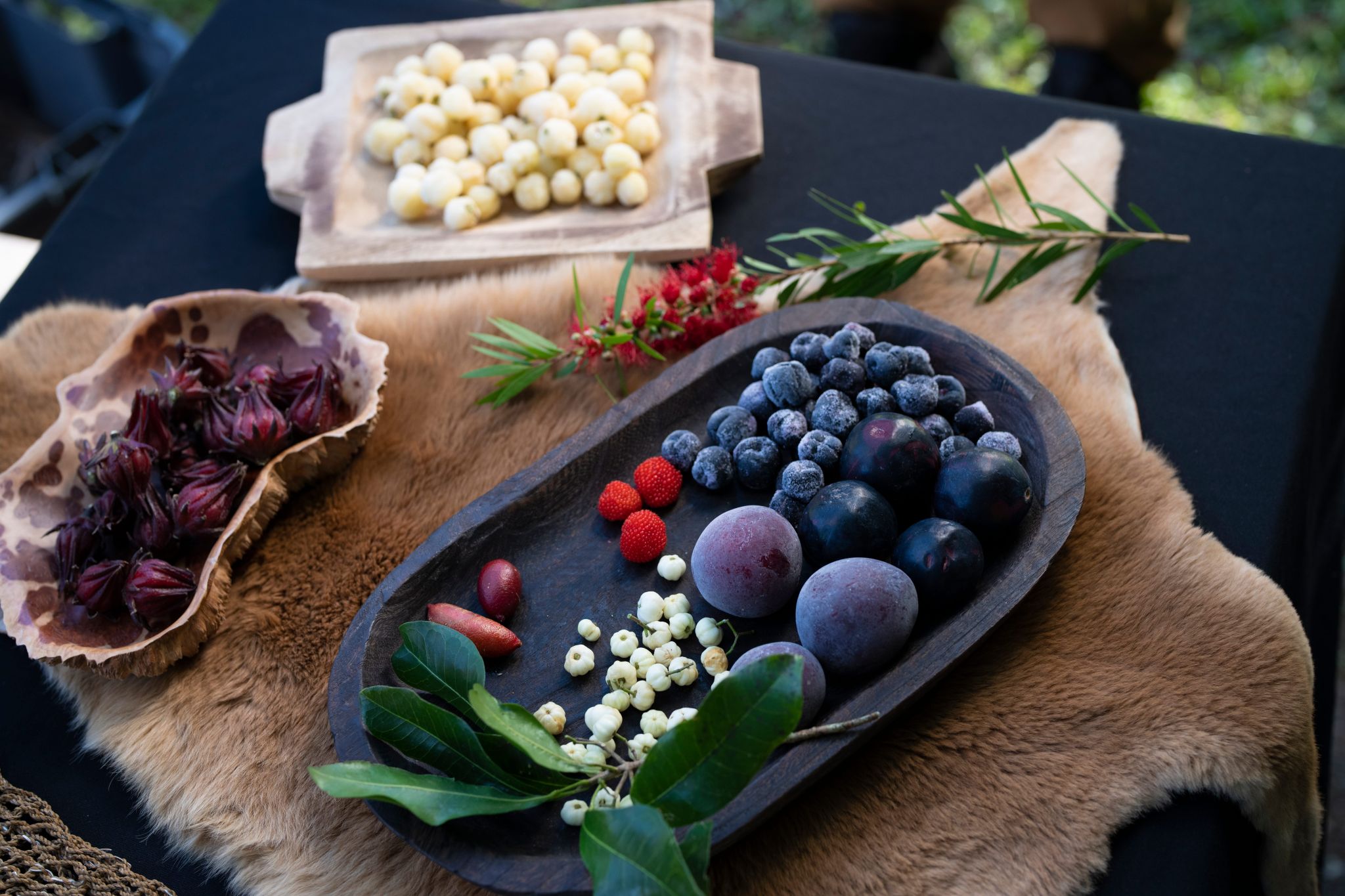
Byron Bay in New South Wales is a haven for native bush foods, best tasted with Explore Byron Bay © Tourism Australia
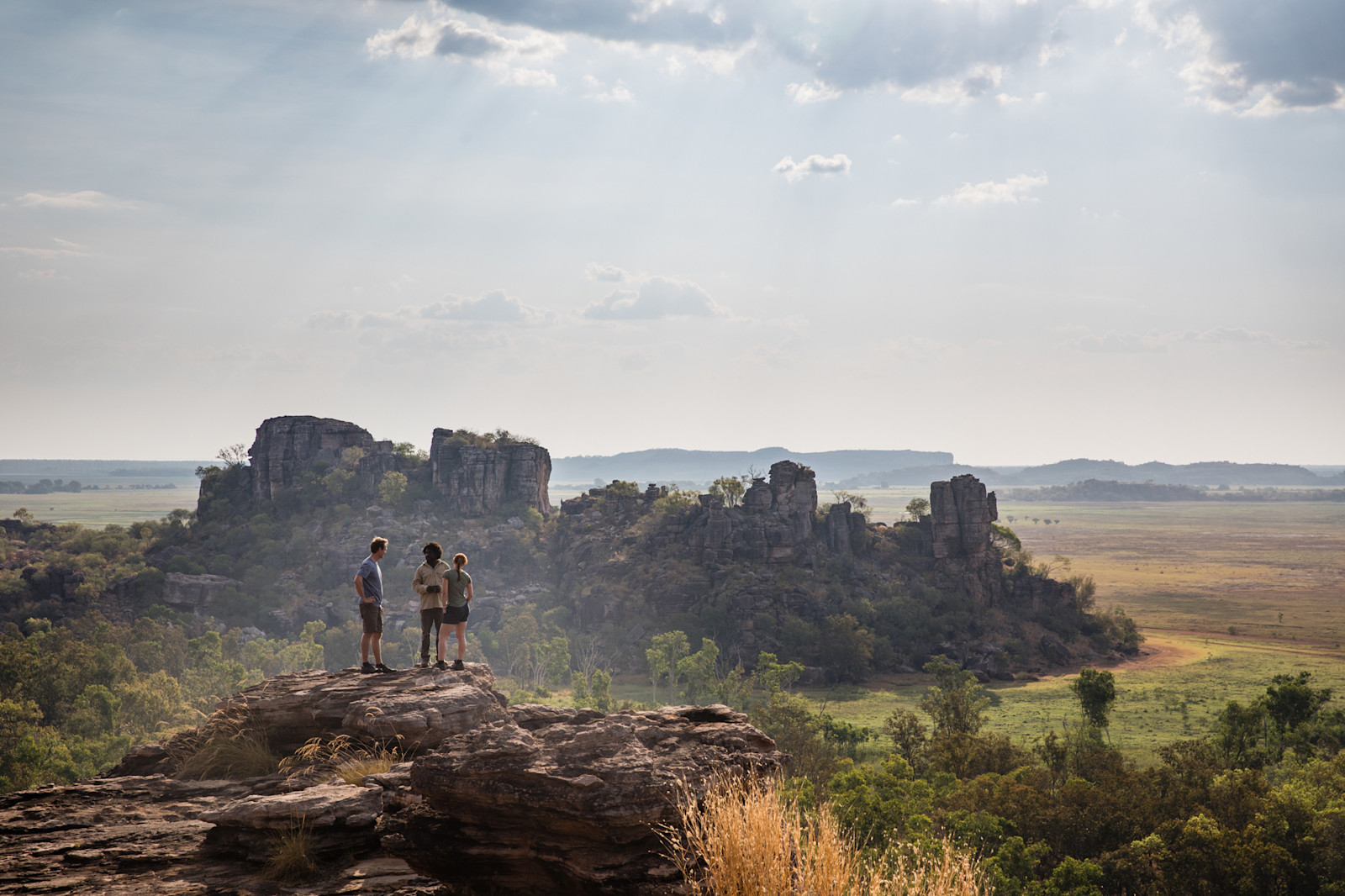
Australia’s harshest environments are also home to its most climate-resilient foods. For more than 60,000 years, Aboriginal people have cultivated, harvested and cared for native plants that thrive where others fail – crops that grow without irrigation, withstand fire and drought, and regenerate landscapes. As climate change intensifies, these bushfoods are no longer just cultural – they’re essential. In the hands of Indigenous tourism operators, they’ve become a gateway to deeper understandings of Country, sustainability, and survival.
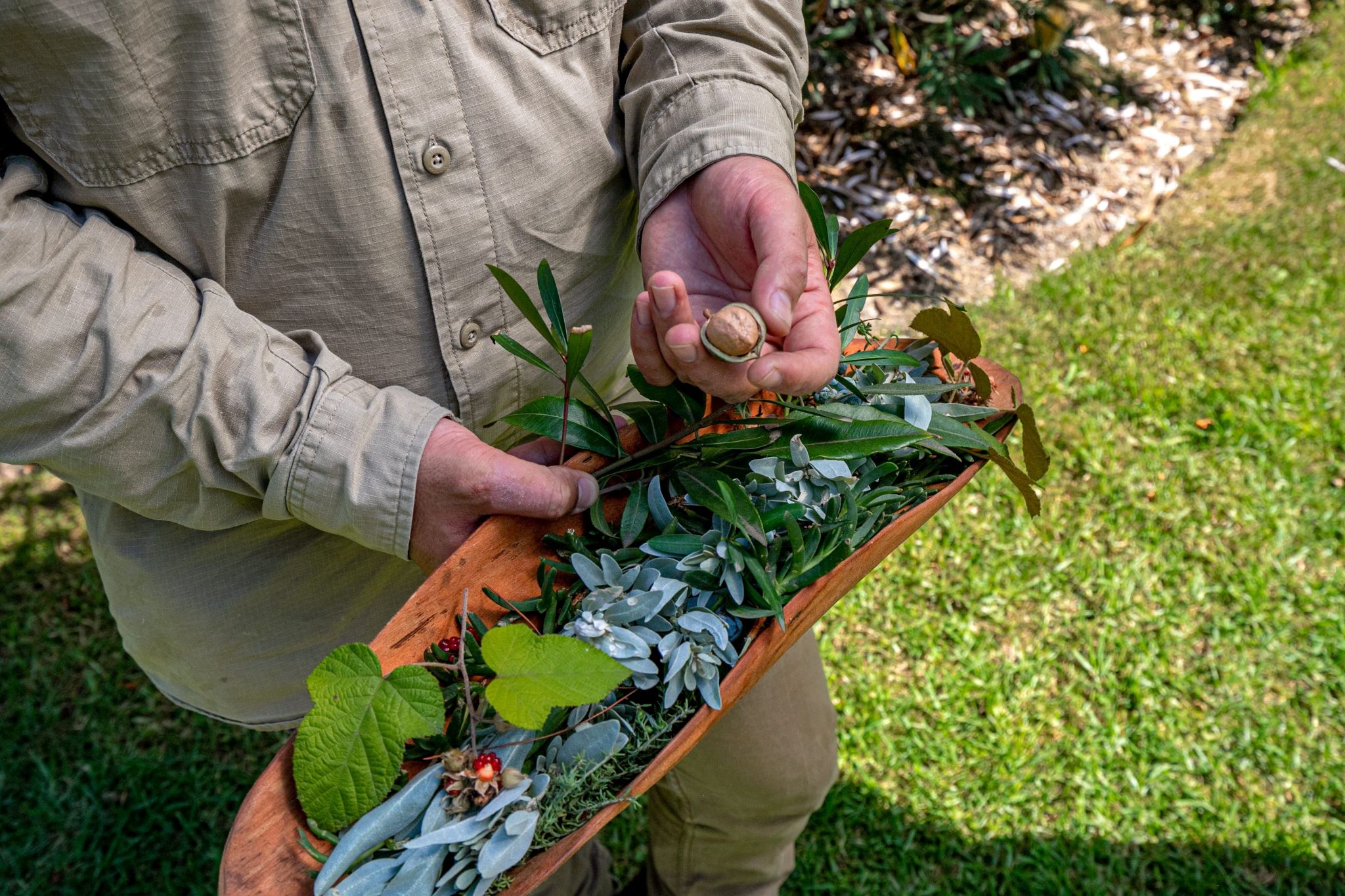
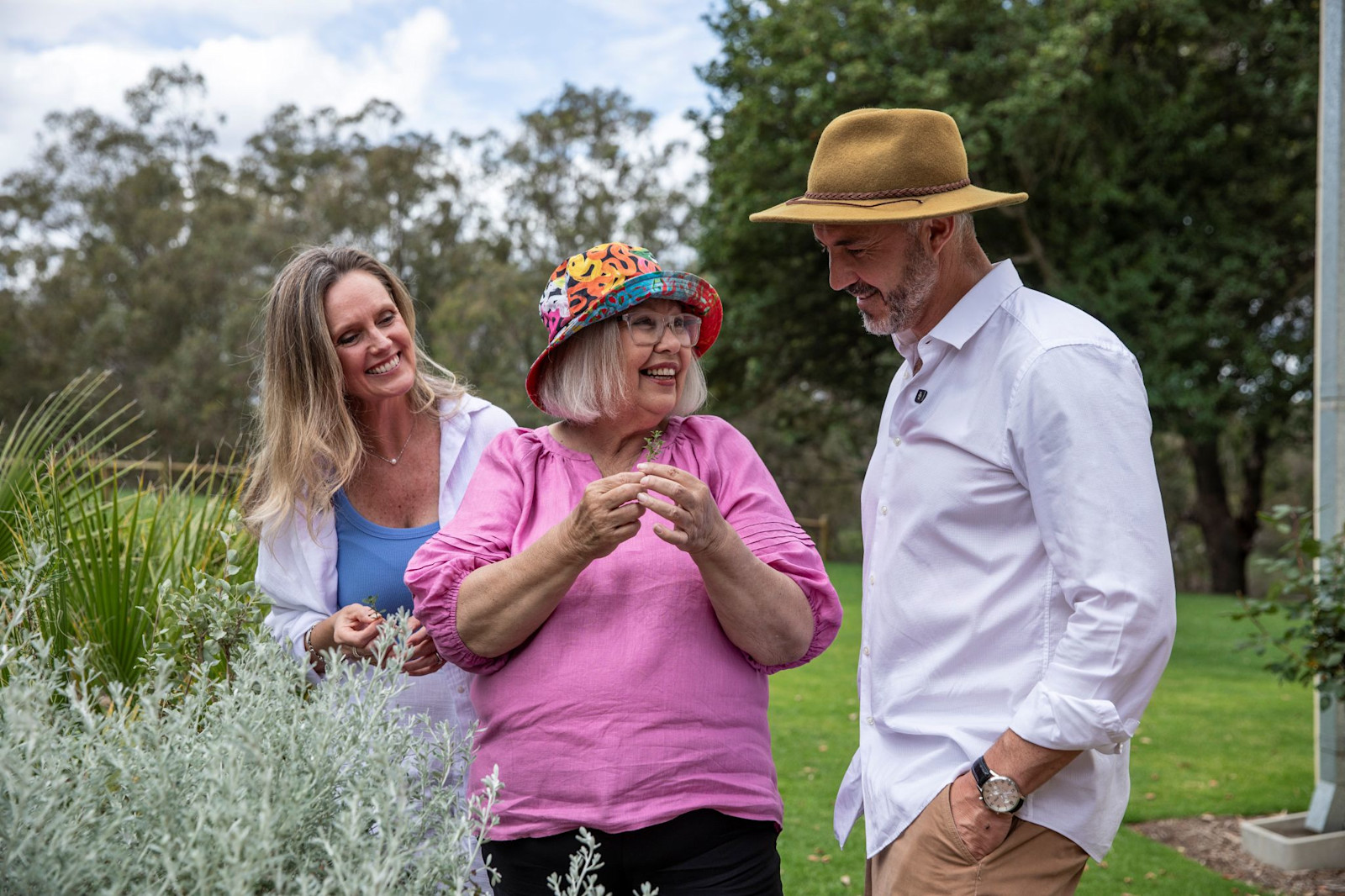
Guides showcasing native produce on a tour of Melbourne’s Royal Botanic Gardens in Victoria © Tourism Australia
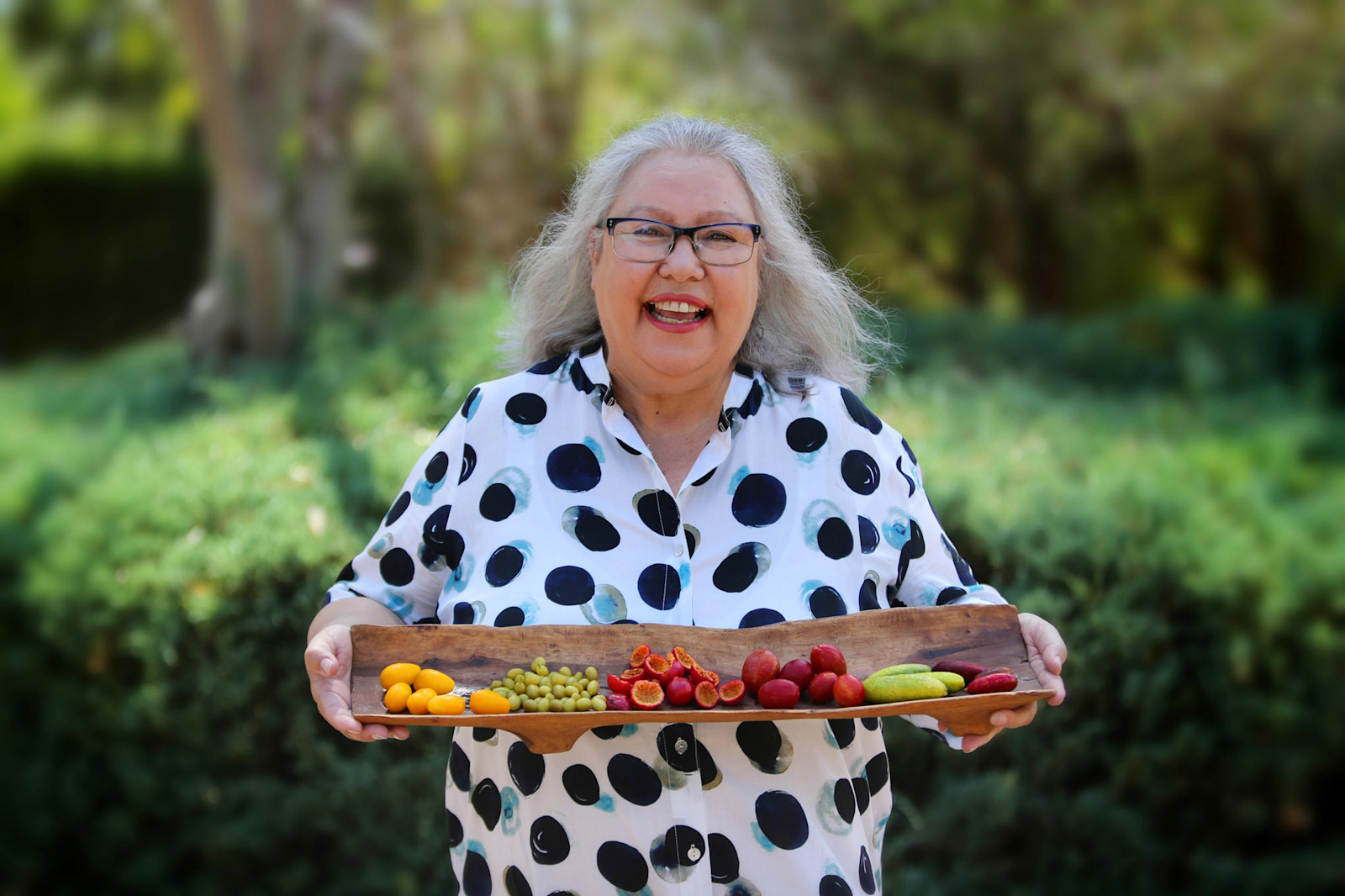
Across the country, bushfood-focused tours are helping visitors rethink not just what’s on their plate, but how it got there. At the Botanic Gardens in Melbourne and Sydney, Indigenous guides lead guests through native gardens that feel like open-air kitchens – dotted with saltbush, lemon myrtle, finger lime, karkalla and quandong. In Adelaide, Southern Cultural Immersion uses the Botanic Gardens’ biodiversity as a springboard into deeper conversations: how these foods nourish, how they adapt, and how they can shape climate-ready food futures.
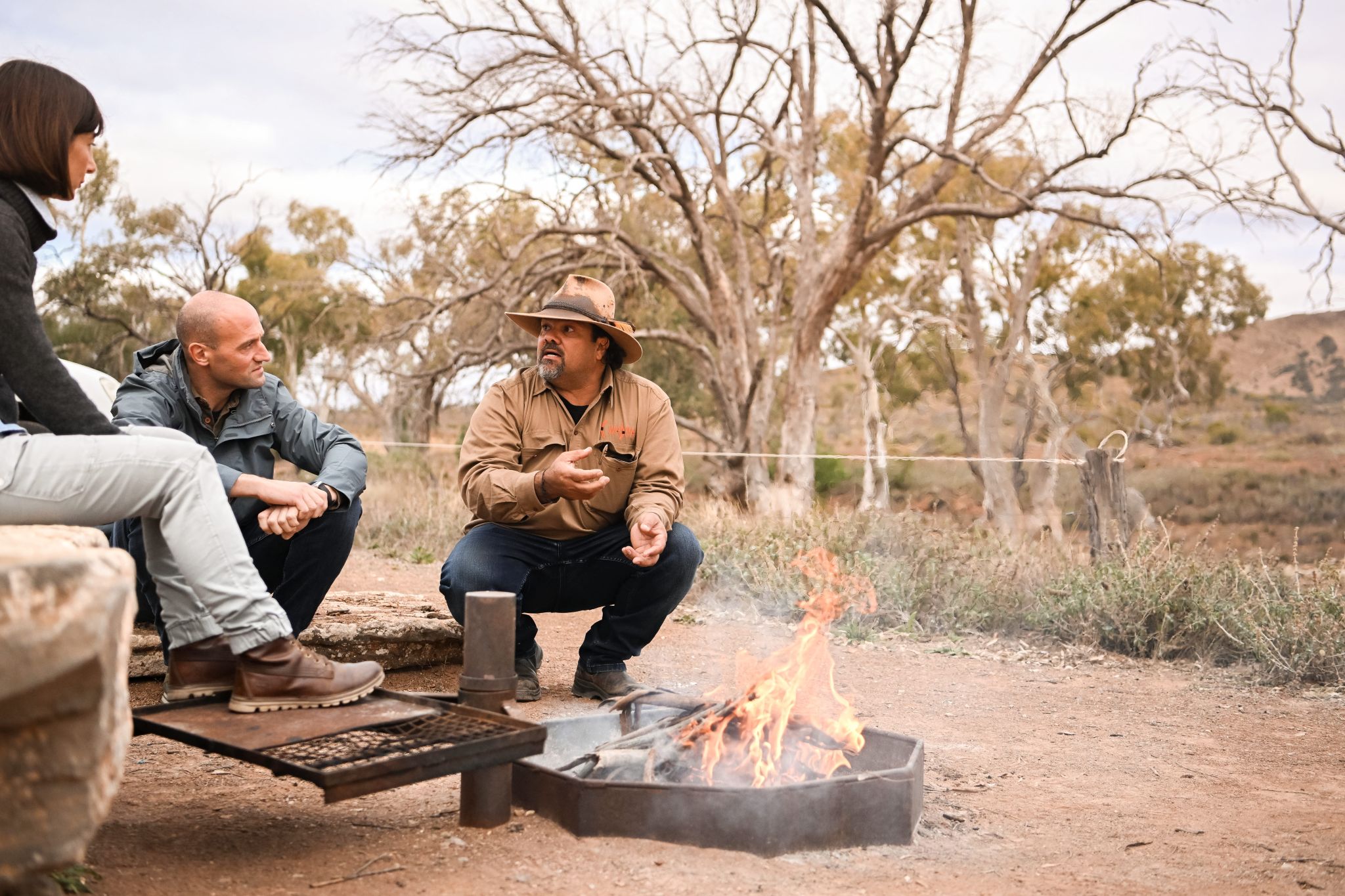
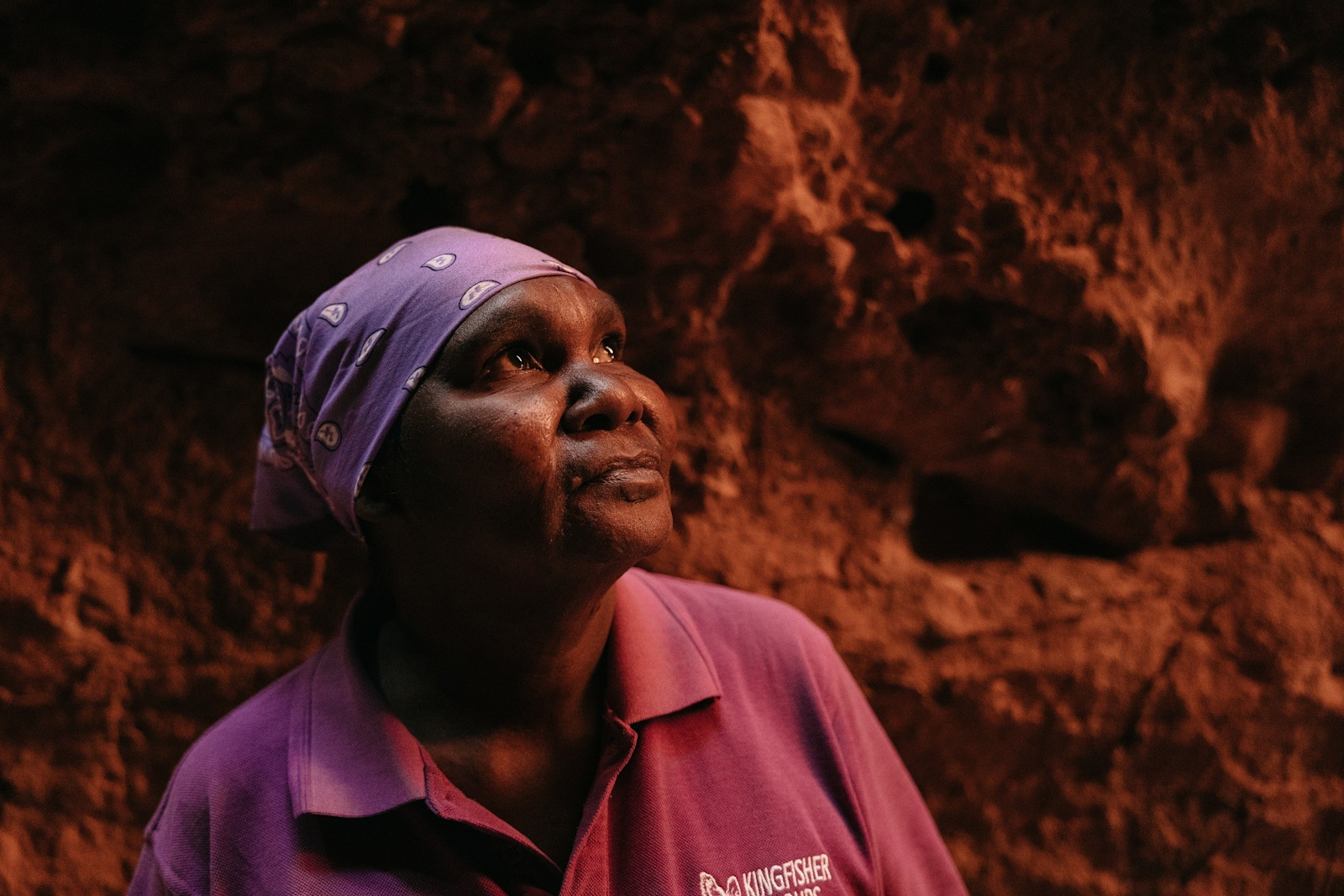
Guide Kristian Coulthard of Wadna beside a fire in the Ikara-Flinders Ranges region of South Australia © Tourism Australia
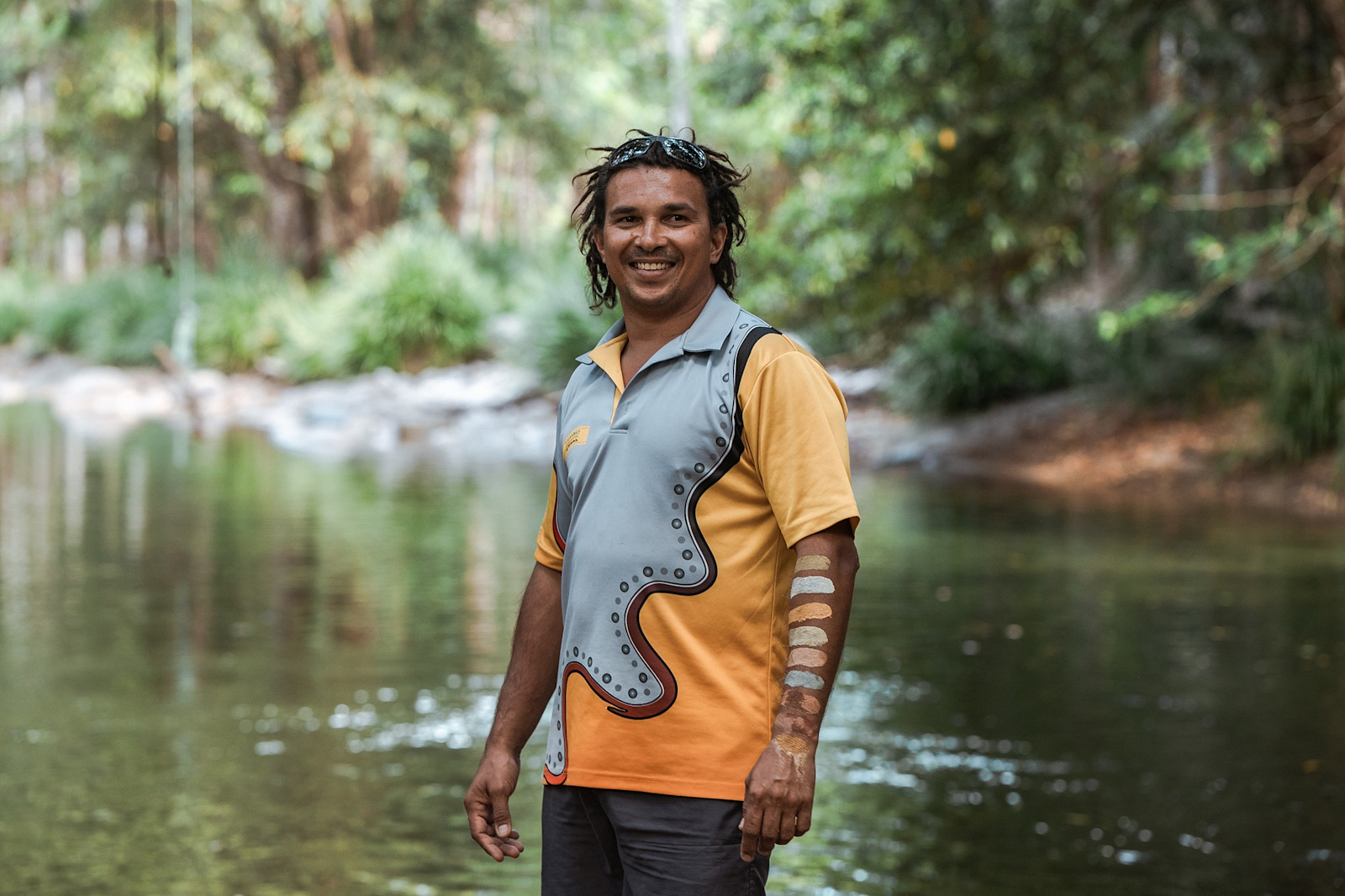
In the Ikara-Flinders Ranges, Wadna takes the conversation from paddock to product. On-site, Adnyamathanha artist Kristian Coulthard shares insights into bush medicine and food systems while visitors browse carved woodwork, pick up saltbush teas or learn about resin harvesting. Everything on display connects to Country’s cycles – and then you get to experience it first-hand on tours Kristian leads across landscapes that are dramatic but often harsh. There’s a sustainable ethos not just in story, but in practice: minimal processing, native resilience, regenerative intent.

Exploring the largest moving sand dunes in the Southern Hemisphere on quad bikes with Sand Dune Adventures, New South Wales © Tourism Australia
On Worimi Country, Sand Dune Adventures incorporates seasonal plant knowledge into their quad-bike and cultural tours. Between rides through vast dunes, guests pause to learn how local plants were used for nourishment, healing and ceremony – and why they still matter in conversations about land restoration and drought-resistant agriculture today. The company is also active in growing and replanting native flora, knowing how important they are to the sustainability of the landscape they operate on the Southern Hemisphere’s largest moving sand dunes.
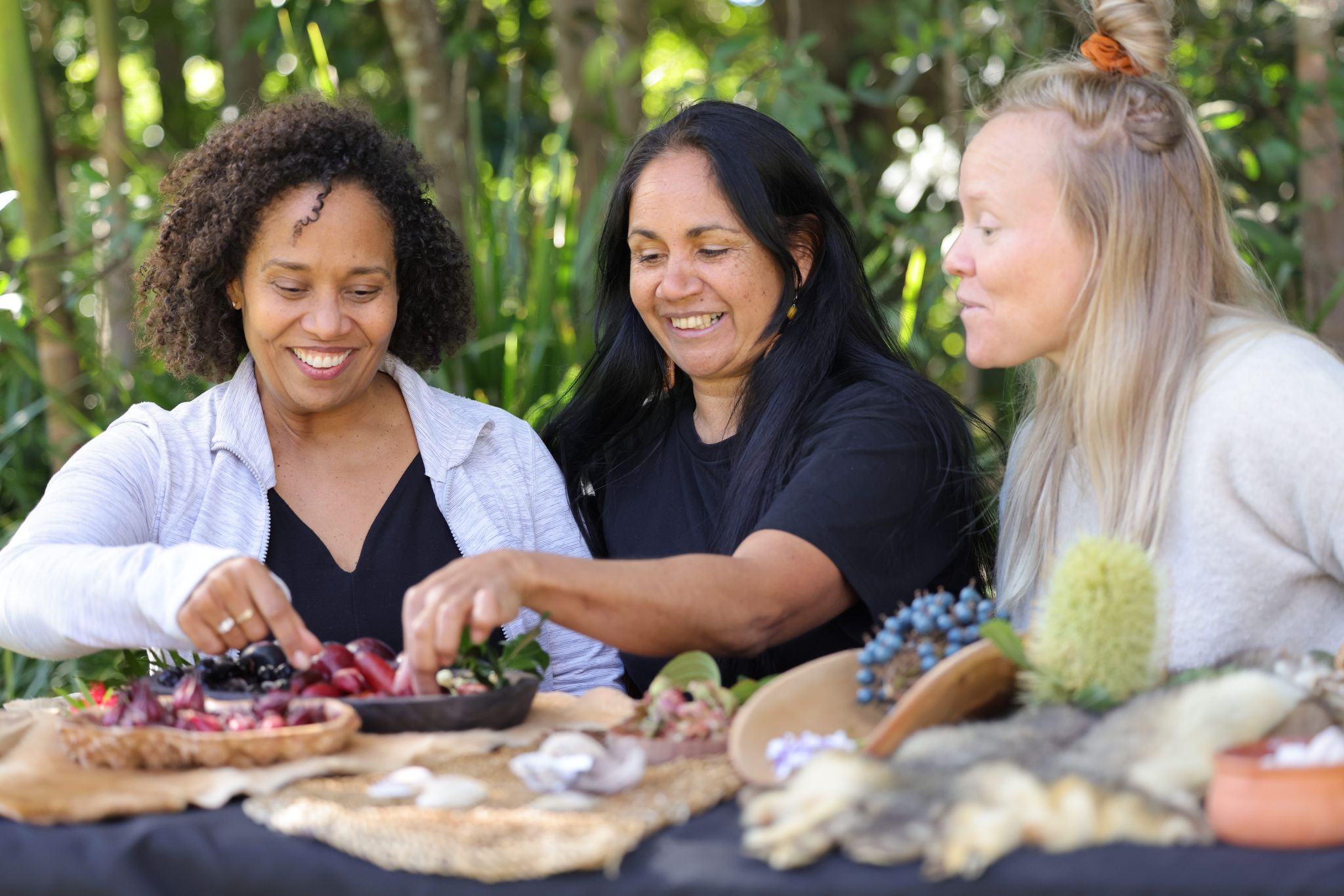
Explore Byron Bay guide Delta Kay sharing bush foods with guests on a tour in northern New South Wales © Tourism Australia
On Bundjalung Country in Northern NSW, Explore Byron Bay operates with a seasonal calendar, adapting walks and food knowledge to the rhythms of Country. Guests learn to identify edible natives, smell crushed leaves, and hear stories about how plants survive flood and fire. That adaptability isn’t just ecological, it’s deeply cultural, tied to firestick farming, soil care and seasonal migration practices that kept Country alive.
What ties these experiences together is the way food becomes story, and story becomes survival. In a climate-stressed world, Aboriginal food systems offer not just flavour, but foresight. These are ingredients grown without depletion, harvested with care, and prepared with memory. They remind us that sustainability isn’t about sacrifice - it’s about relationship. To soil, to seed, to story.
And for guests, the impact is lasting. Once you’ve tasted smoked kangaroo dusted with native pepper, or sipped a lemon myrtle brew while standing beside a plant that survived both fire and flood, your idea of ‘local produce’ changes. You begin to ask different questions. What else can grow here? What else have we overlooked? What knowledge have we failed to carry forward? That’s the real entree bushfoods provide - not just into culture, but into climate action through the palate.